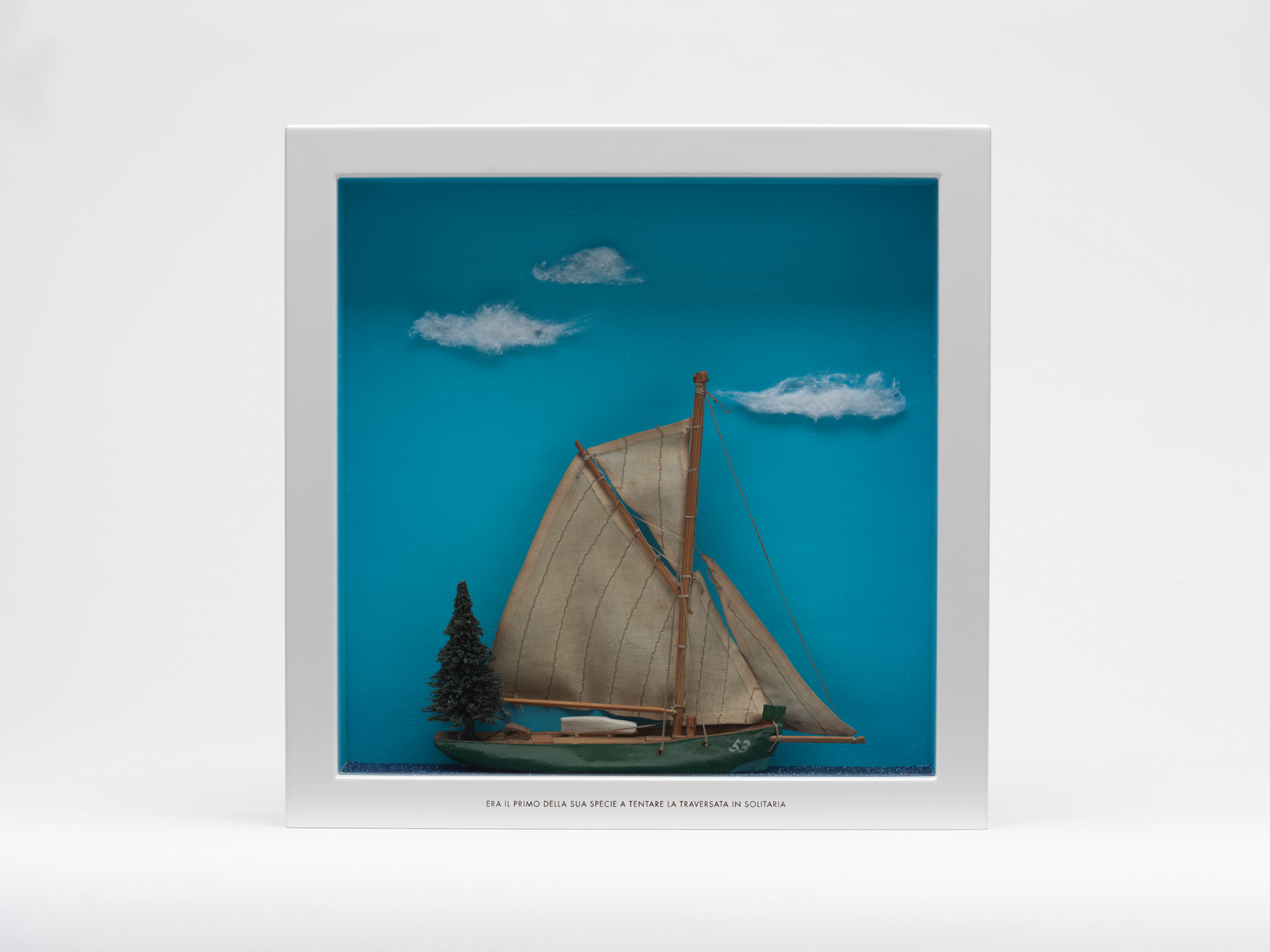
He was the first of his kind to attempt the solo crossing
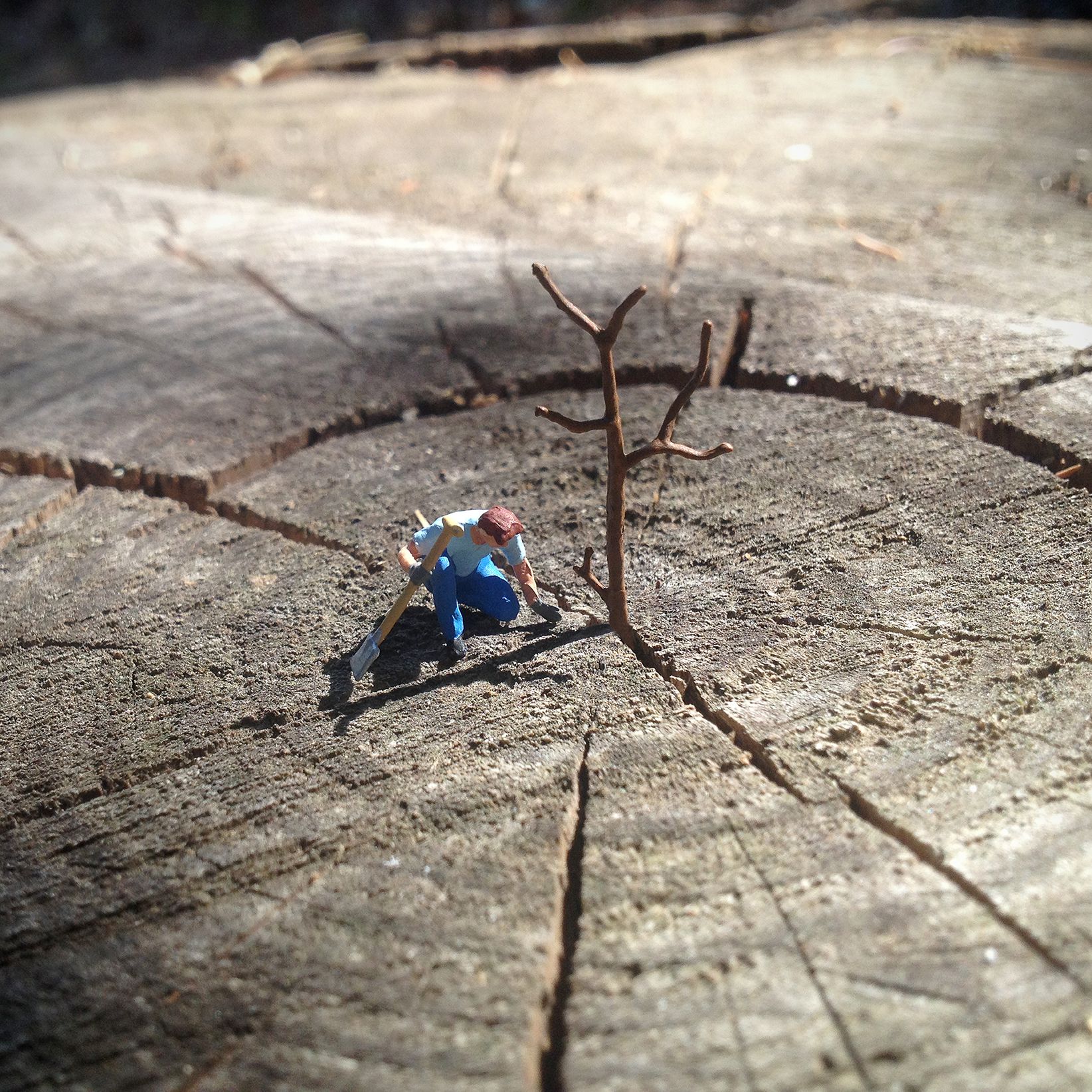
Never, never give up
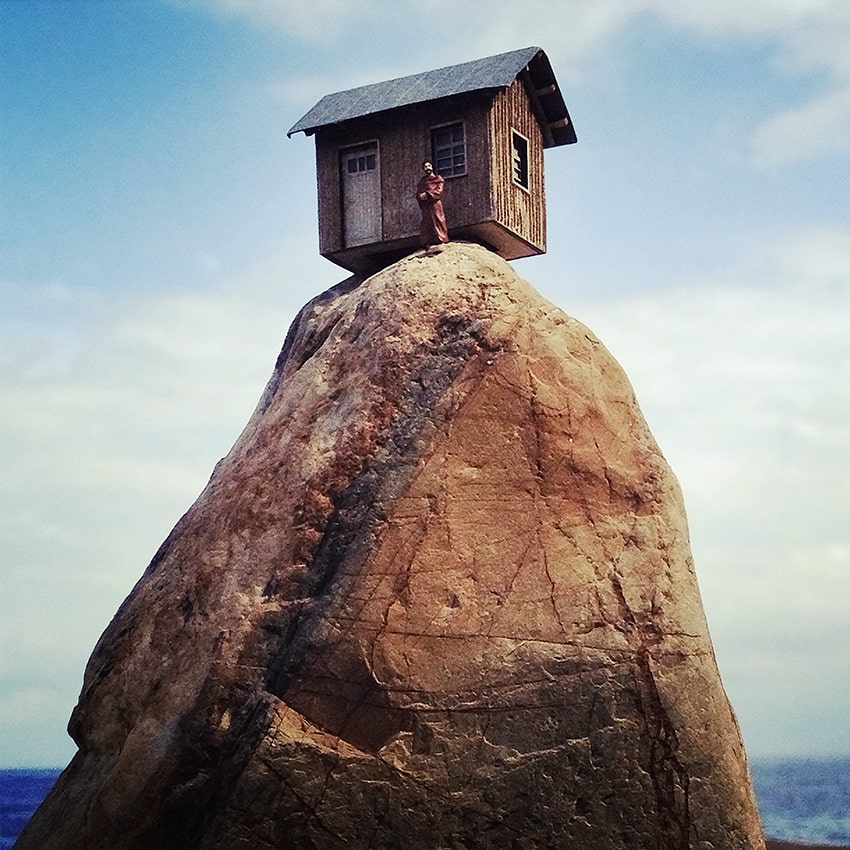
He wasn't expecting visitors
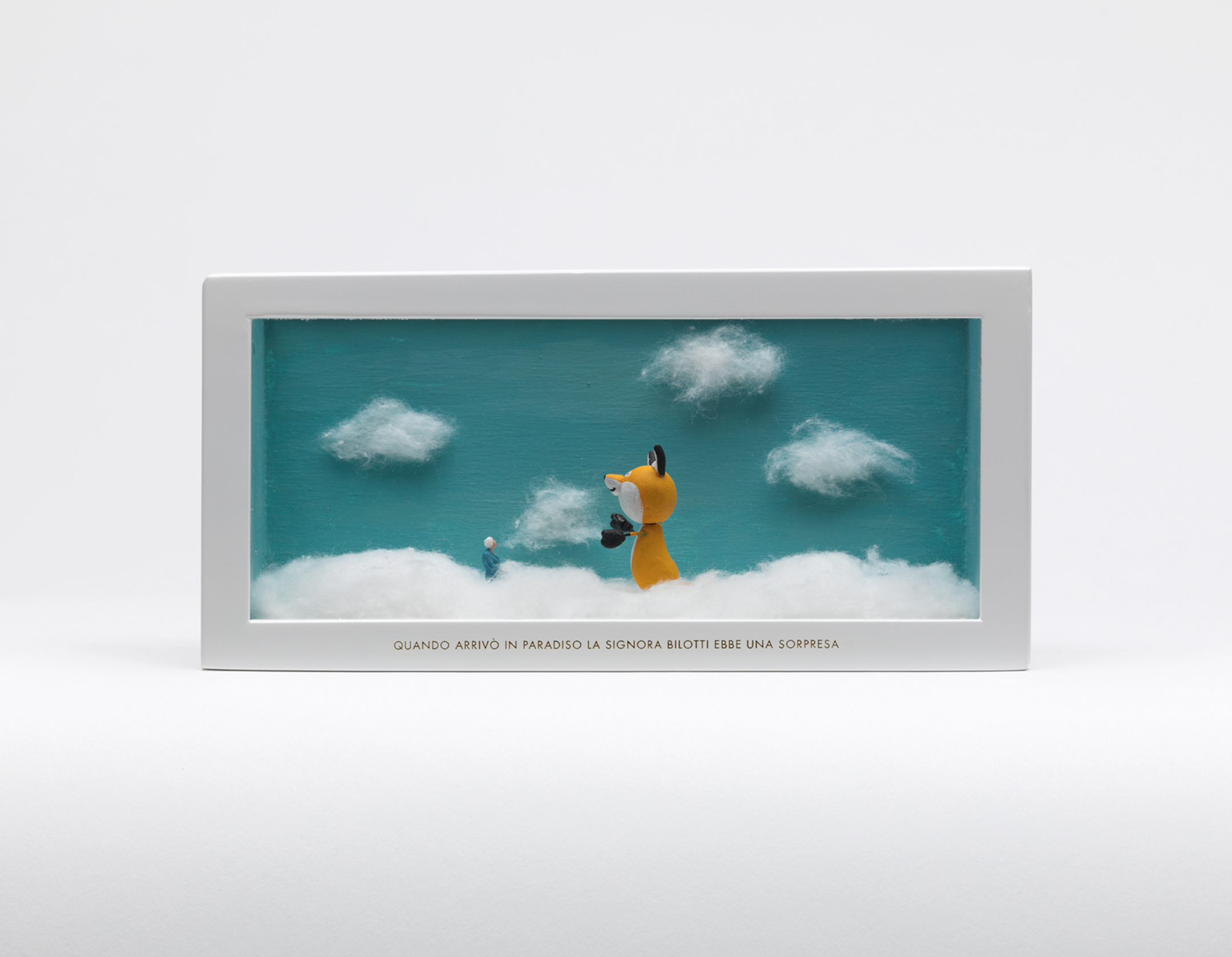
When Mrs Bilotti arrived in heaven she met with a surprise
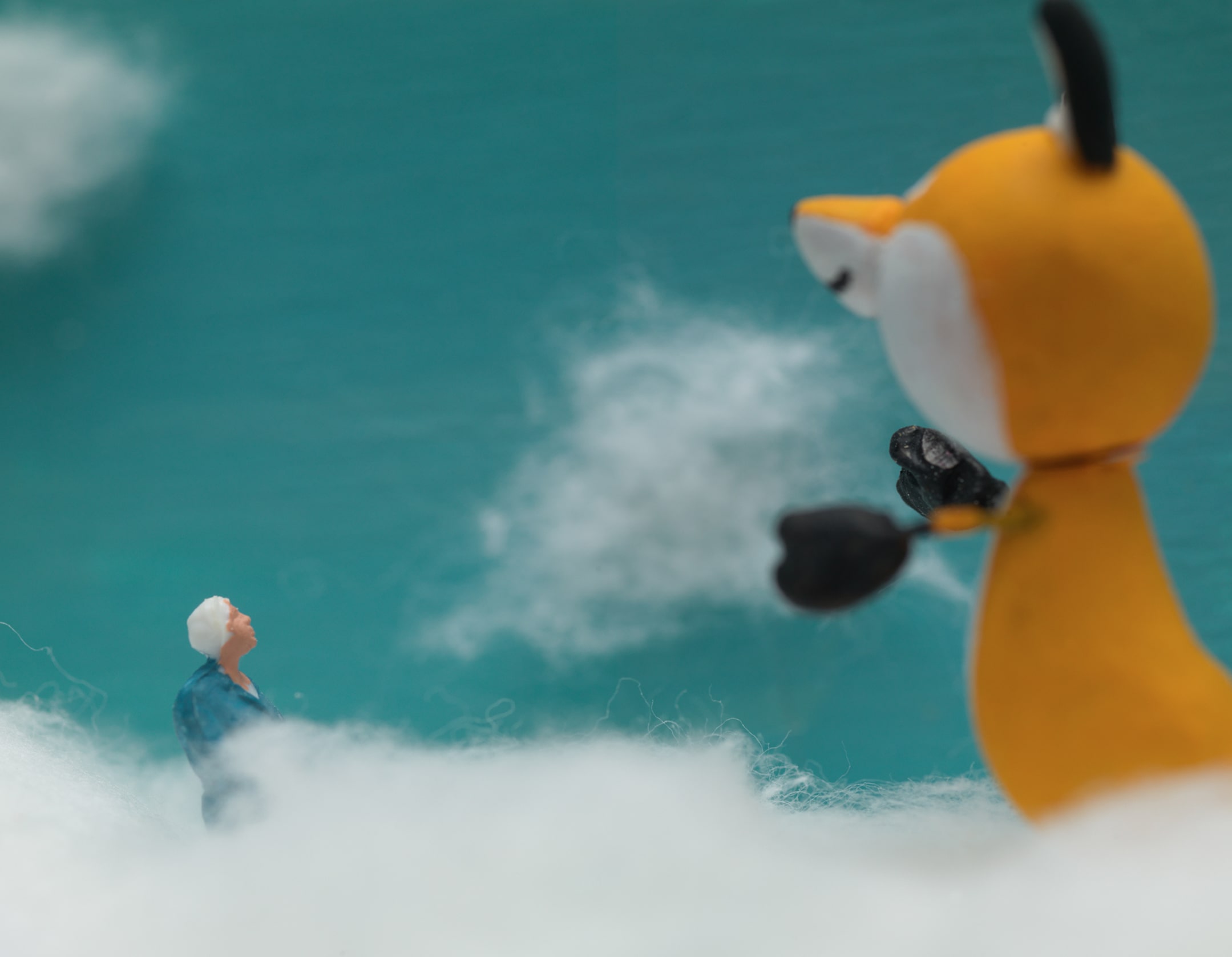
When Mrs Bilotti arrived in heaven she met with a surprise - detail
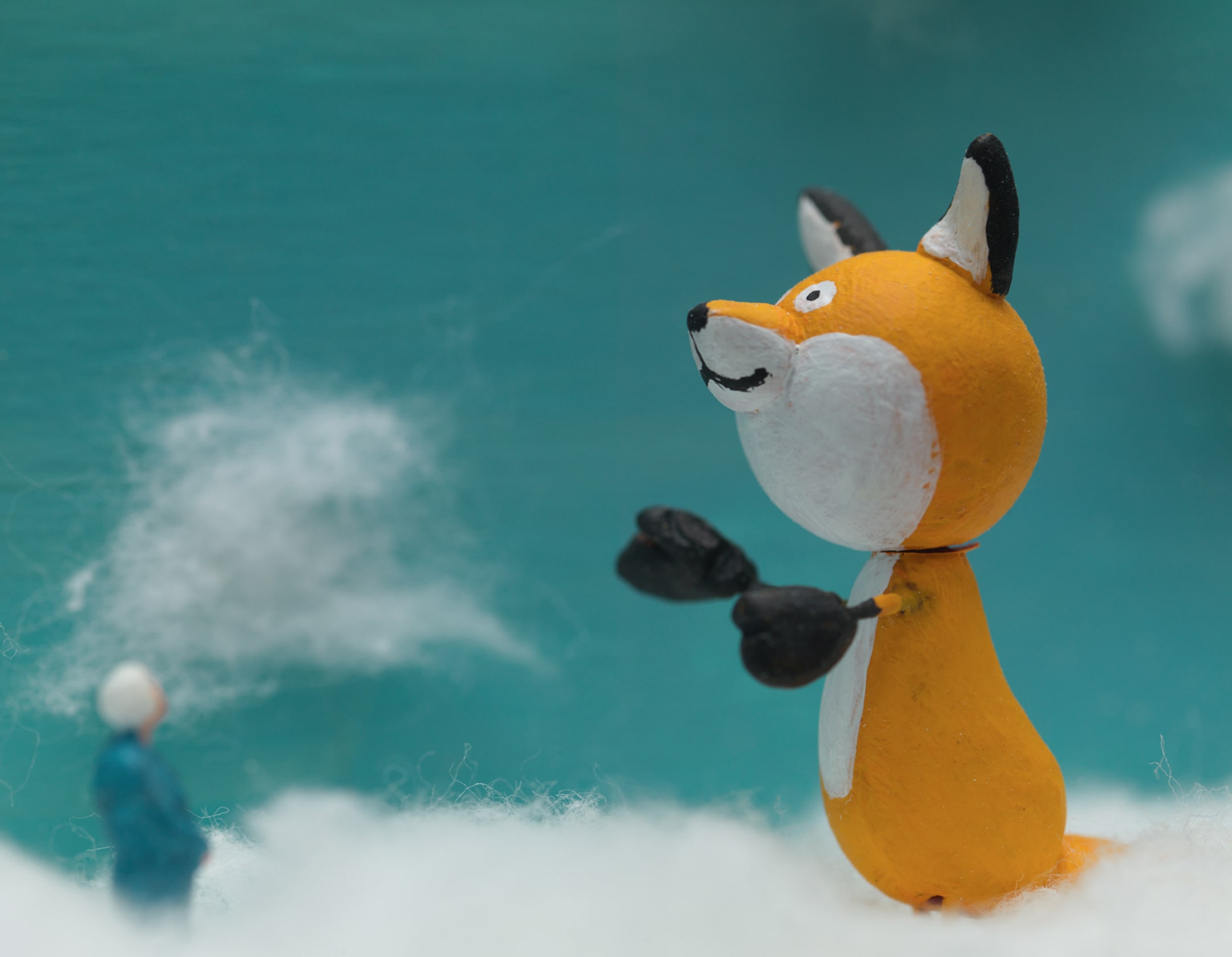
When Mrs Bilotti arrived in heaven she met with a surprise - detail
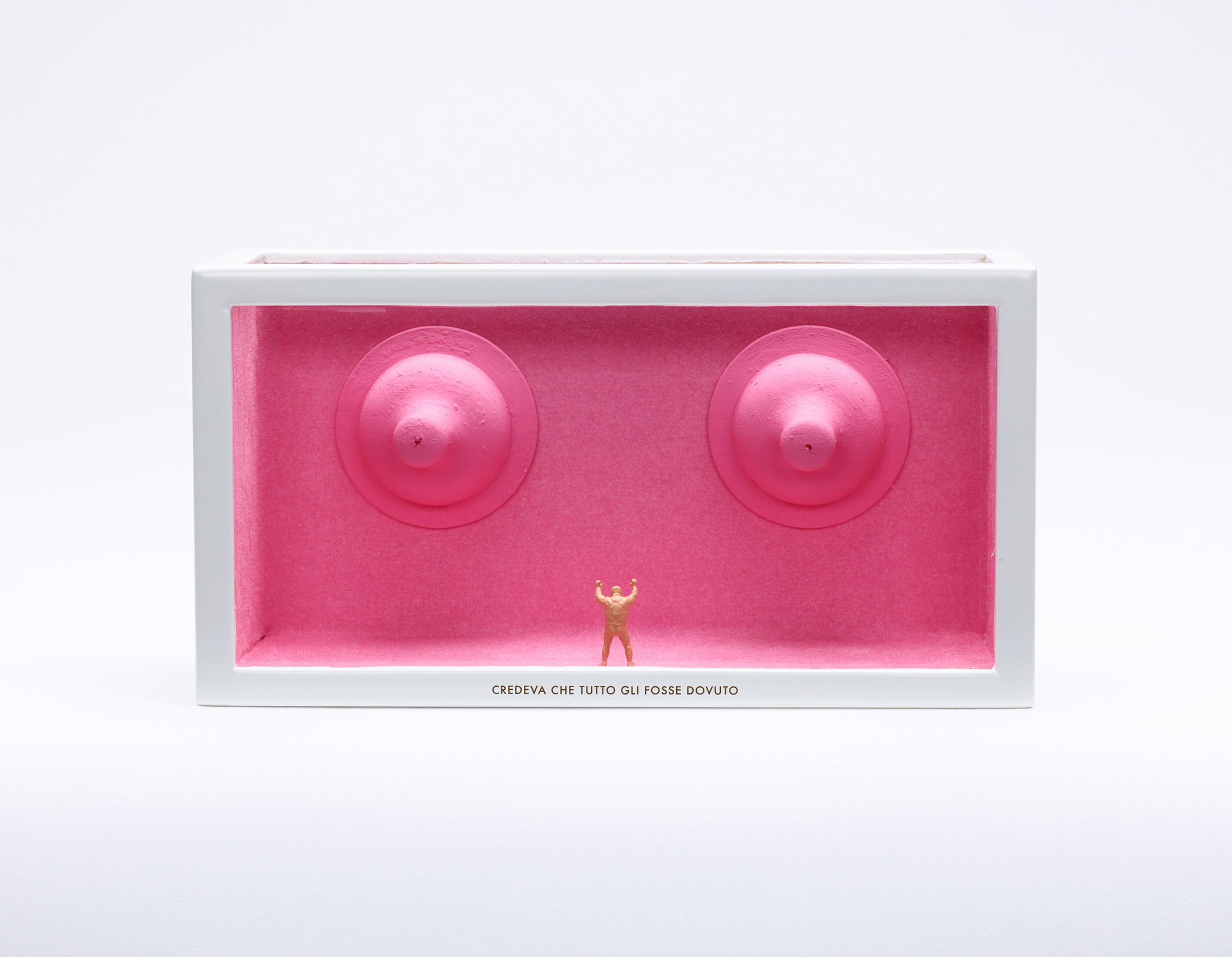
He believed that everything was due to him
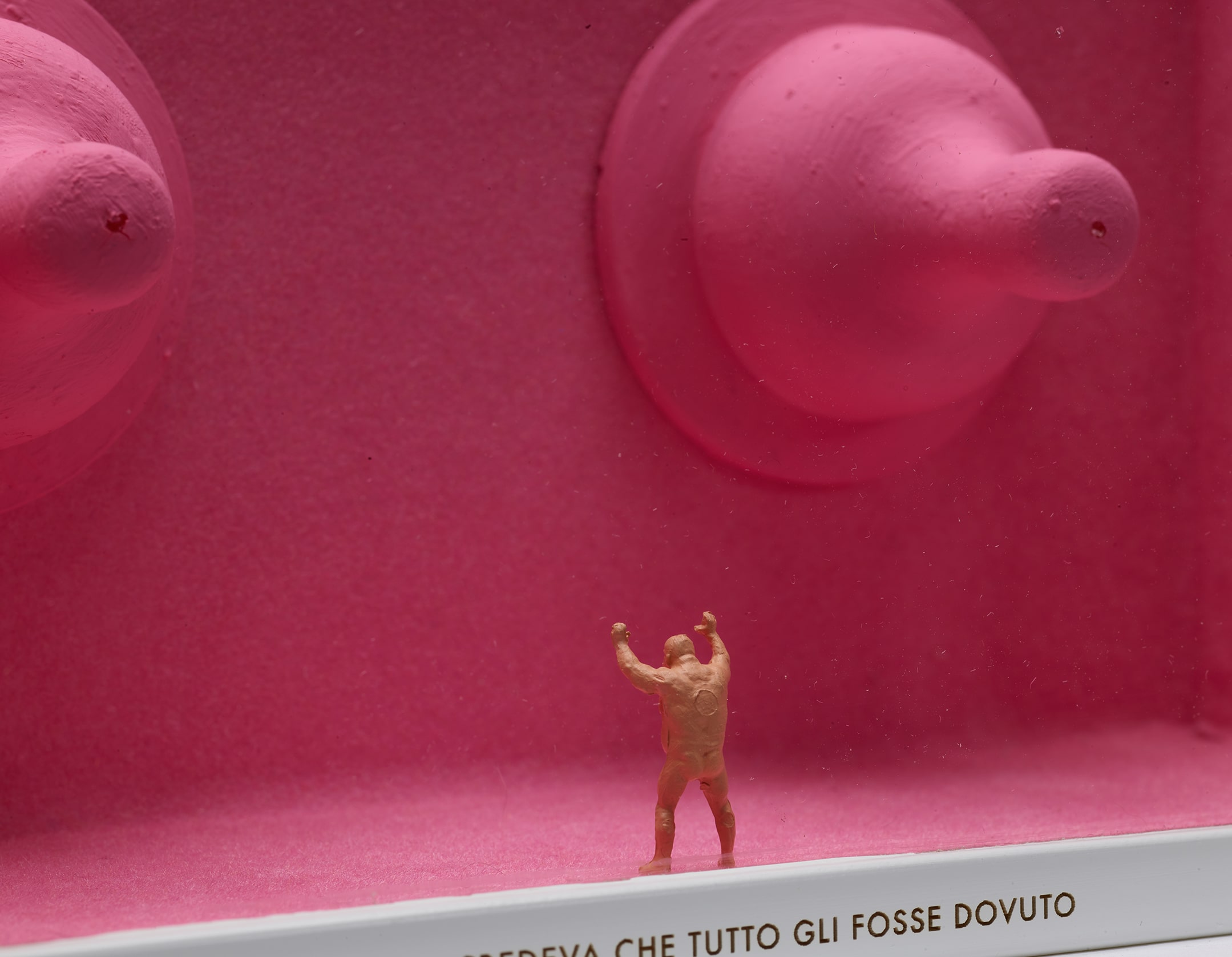
He believed that everything was due to him - detail
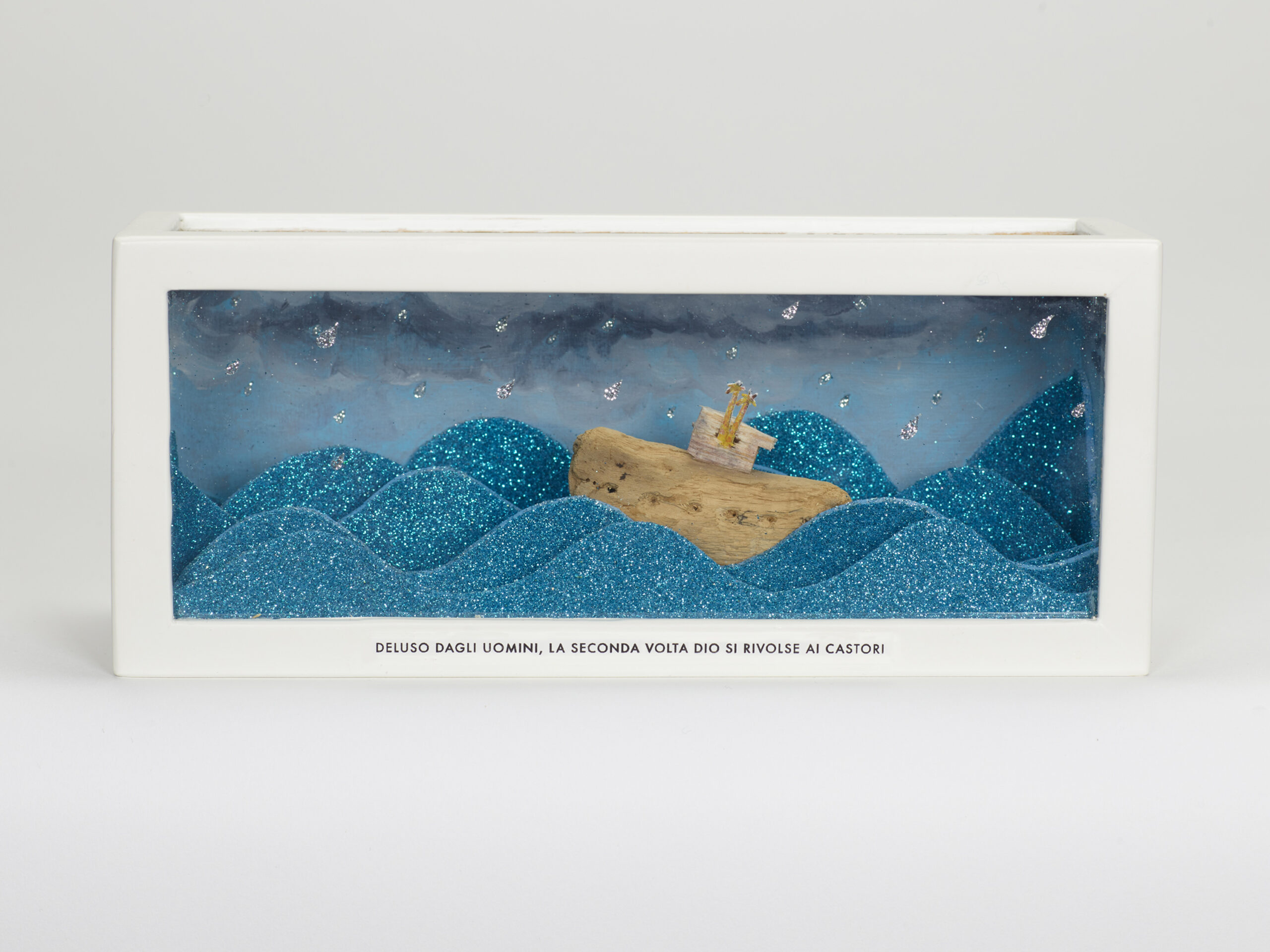
Disappointed by men, the next time God addressed the beavers instead
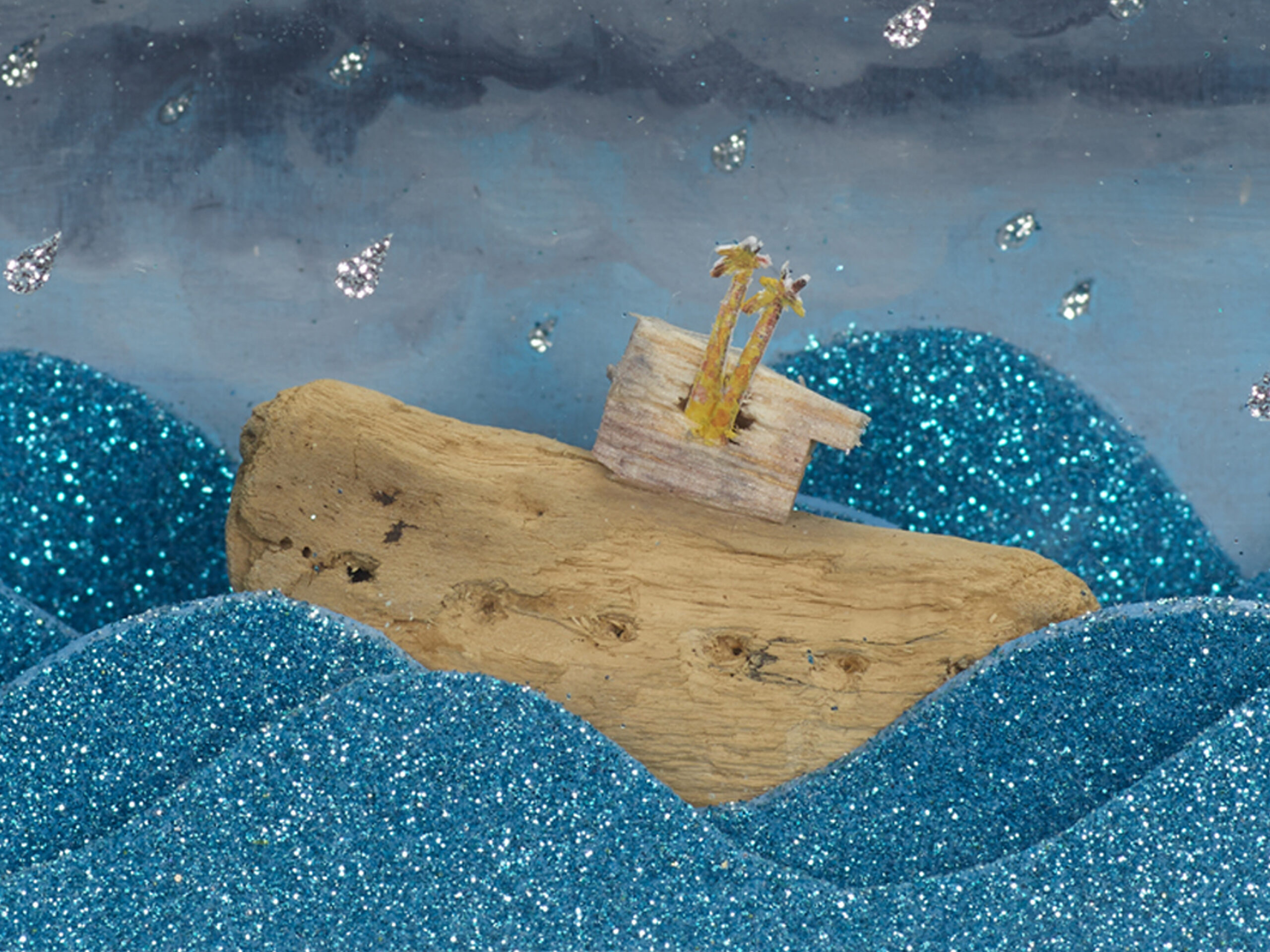
Disappointed by men, the next time God addressed the beavers instead - detail
HOMO VS NATURA
Barbara capponi | Babas
Retablos and photographs
Monterosso al Mare,
Oratorio dei Neri, Mortis et Orationis
16 – 30 August 2017
With the collaboration of Maria Livia Brunelli
Probably because of our widespread western tendency to believe that our identity corrisponds with a sort of little man talking from inside our head, we often think of nature as something that is outside of ourselves: a container, a background, a landscape of hunting and conquest. Rarely does one feel a part of it, and when it happens, it’s like a gift. Then you can experience what the Hindus call Shiva’s dance: the perception of a great collective movement, a single breath of the world, a cosmic dance in which we all take part harmoniously.
Those who have experienced this say it is an unforgettable feeling.
We live on a carnivorous planet: life feeds on death and death feeds on life. This, too, is Shiva’s dance: the eternal cycle of destruction and creation, each one inextricably linked to the other. It’s a beautiful world, and it’s a fierce world.
Human beings are fierce and treat the planet’s body as if it were their birthday cake. But they also know how to see and create beauty, sometimes.
Between our capacity for ferocity and for art, there is room for thought and for questioning: what is our place – and the place of other creatures, and the place of things – in the universe?
Cinque Terre is a border land. Earth and sea meet, and the encounter is harsh, difficult, and breathtakingly beautiful.
There, humanity has always drawn a living from the soil and the sea with tooth and nail. In Monterosso, as recently as fifty years ago, those descending from the mountains into the village – including children and the elderly – always had to bring back a stone when they went up again: the stones were used to build walls for terraces, the terraces were used to cultivate. The Monterossini worked the land, and it was a hard land. And for those who went to sea, life was certainly no simpler. People who always carry a large stone with them tend to look where they step.
Even if today tourism has brought wealth and made the life of the inhabitants easier, the violence of nature is always lurking, as happened with the flood of 2011.
The photographs do not honor the beauty of these places. Photographs are still, and true beauty is in motion.
The movement and breath of the water, the changing colors, the shimmer of the sun or rays of the moon on the small crests the breeze creates on the living skin of the sea. The clouds that travel across the sky like fleets of galleons and the trees that inhabit the woods on the mountains all around, their slight movement, the song of their leaves on the wind. And then there are the thousands of creatures and their lives, which intersect ours: the titmouse that steals a crumb from us, the blackbird that sings in the tree above our heads, the cat that rubs against our legs, the lizard that lingers in the sun.
It is no wonder that Montale’s wonderful poems were born in Monterosso. Van Dick’s crucifixion landed there, in the church of San Francesco, and there, too, is the cemetery at the top of the hill, with the most beautiful view – a consolation for the living, or perhaps a gift, to us incomprehensible, to the dead. There are old houses and gardens, and San Francesco and the wolf watching the sea from atop the promontory – again, an encounter between man and nature, between the nature of man and the nature of a wild animal.
Maybe it’s this: that in these lands one gets a strong feeling that nature is a wild mother that welcomes us and fills our hearts with love and stupefies us with its beauty, but that can bite or abandon us at any moment.
The question remains: what is our place in the universe?
Even the right places of things are in motion and this makes the search for harmony even more difficult.
There is no way to set things right, except with art or magic.