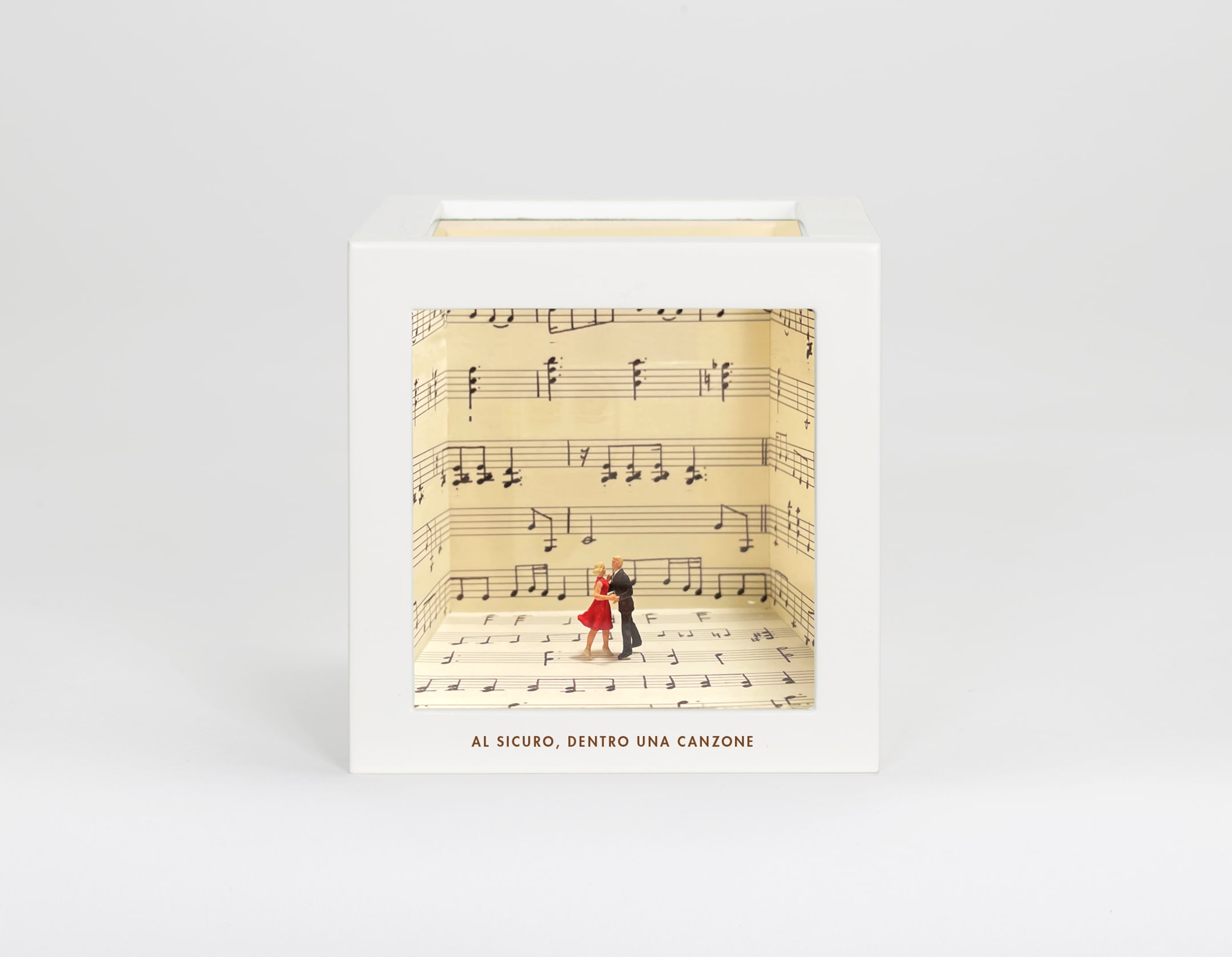
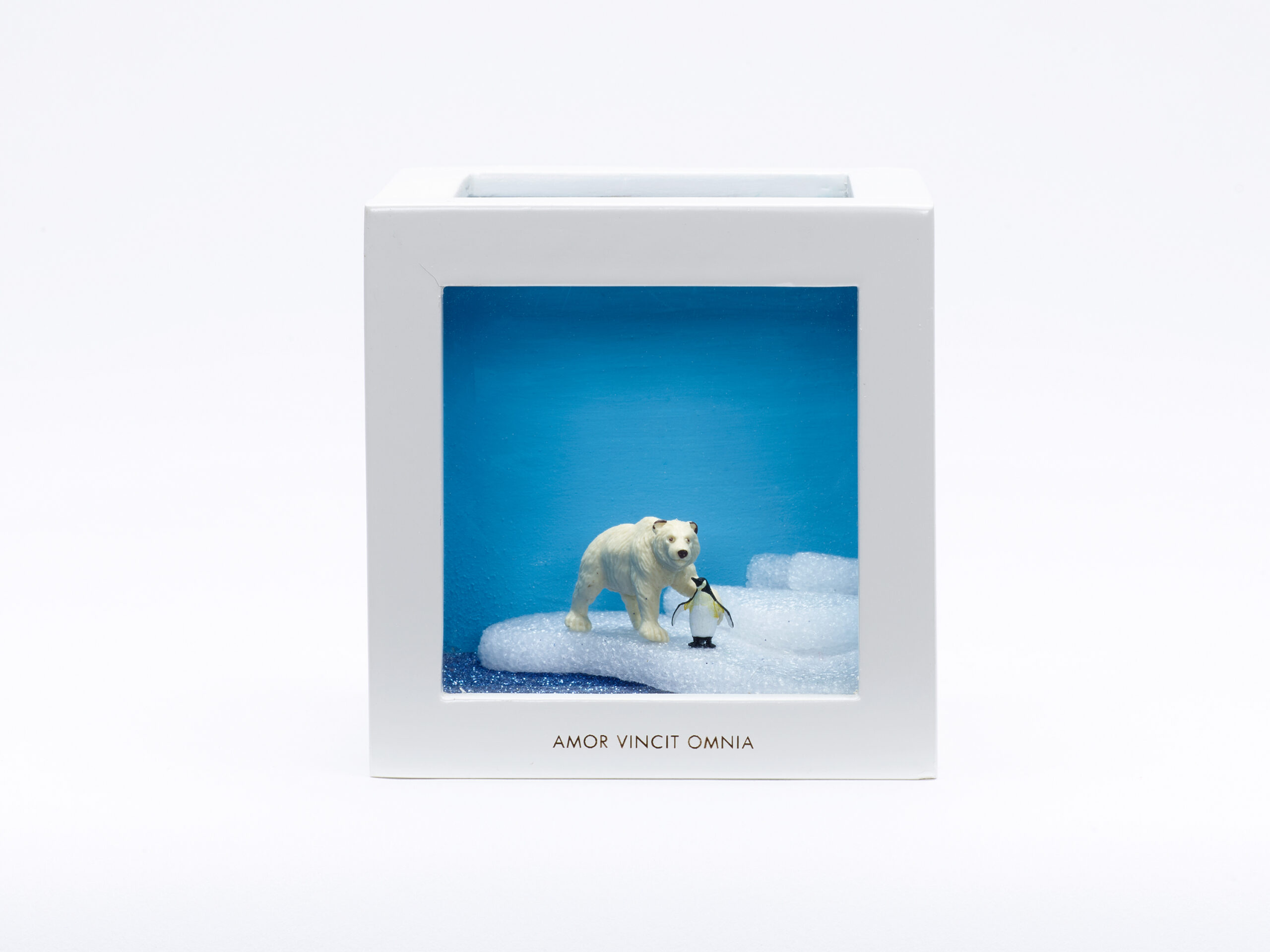
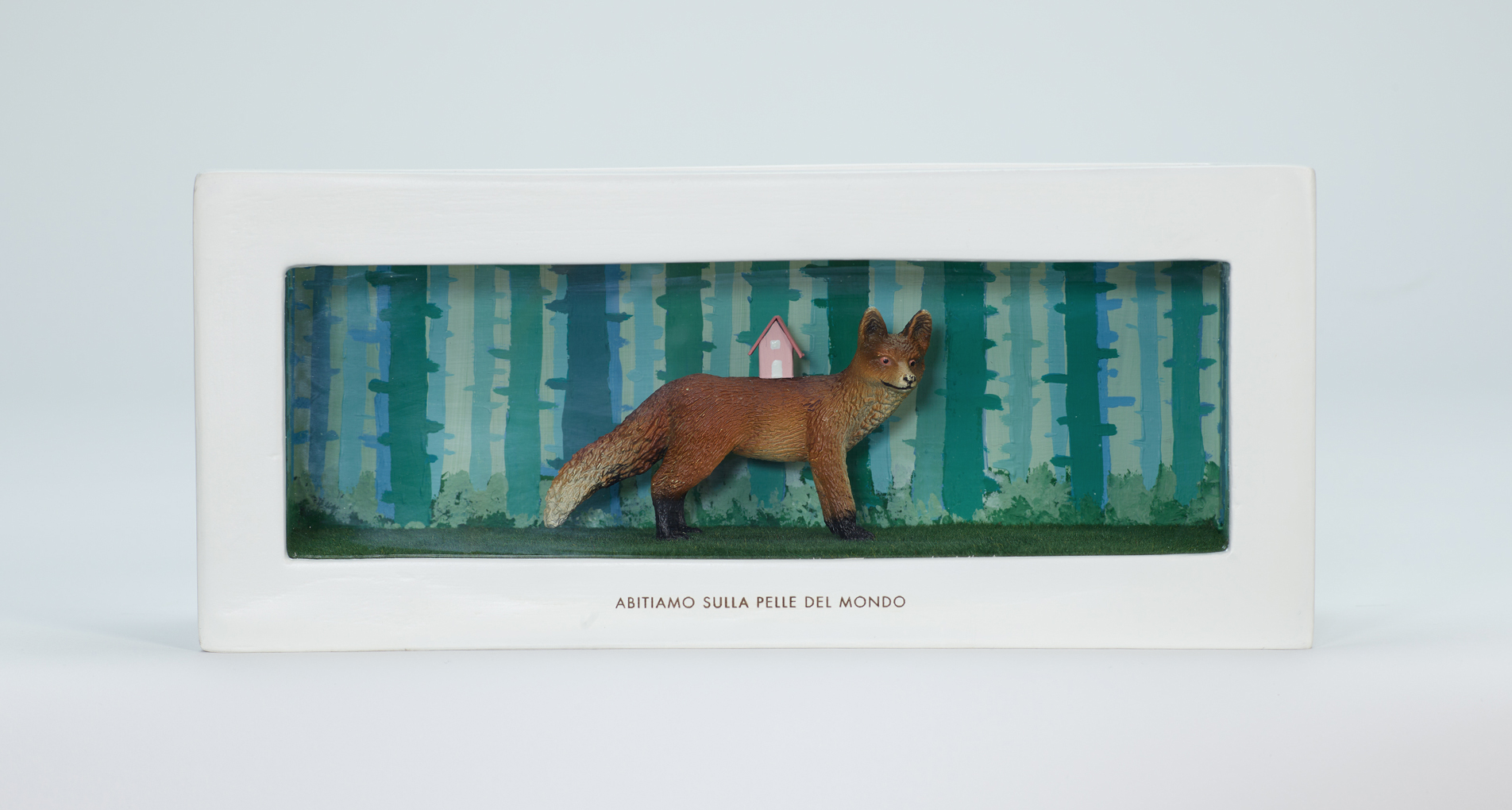
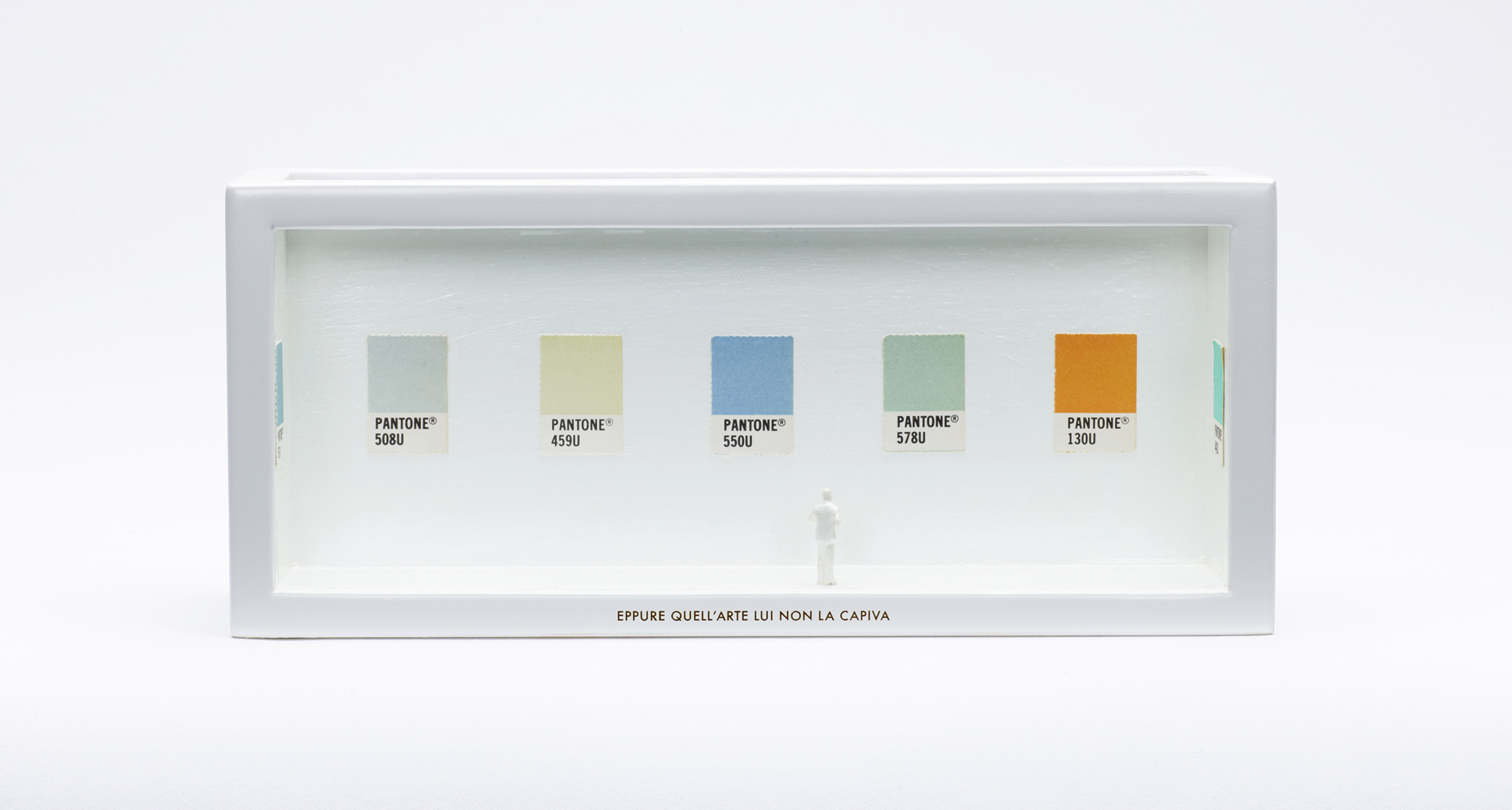
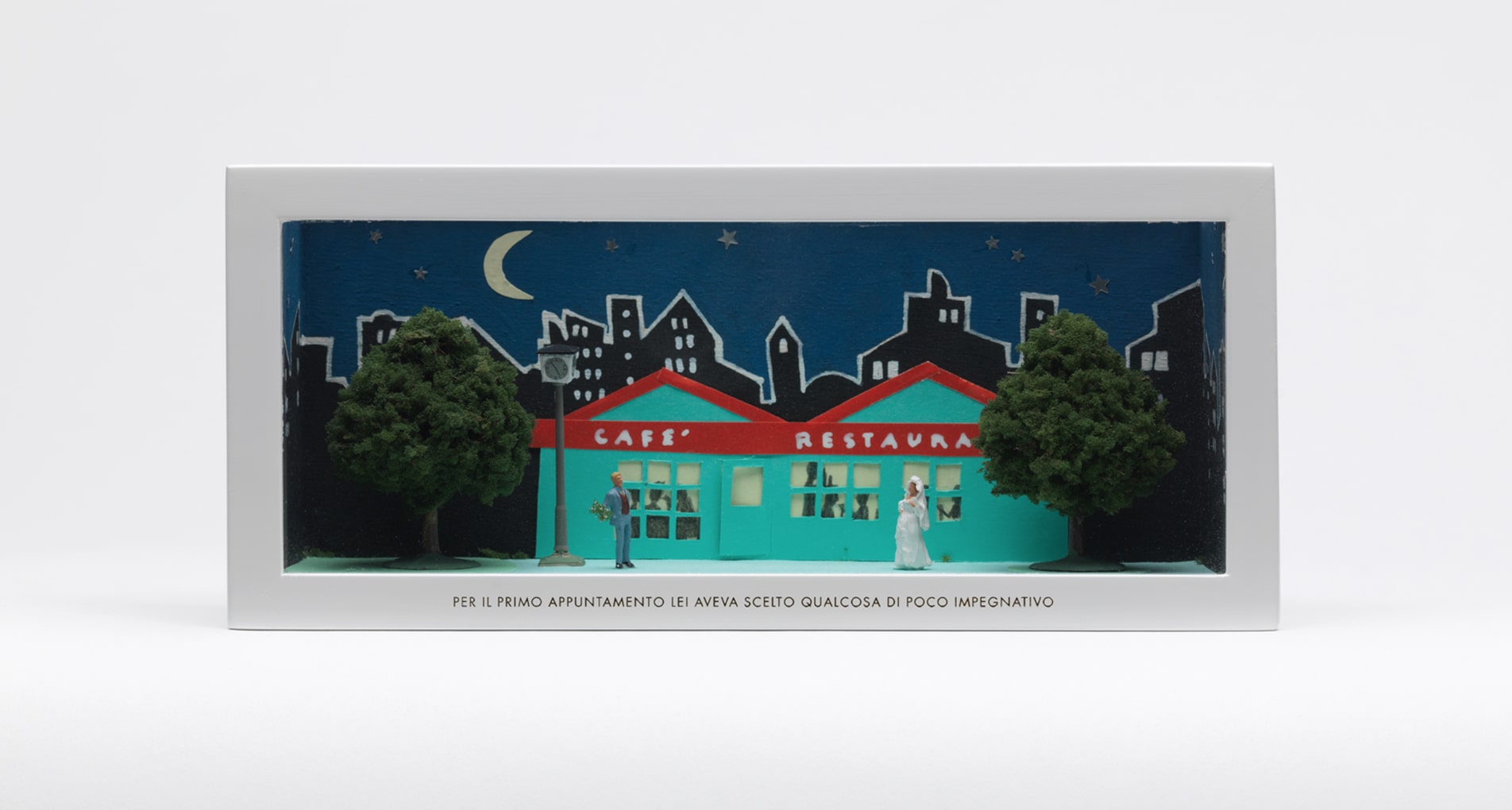
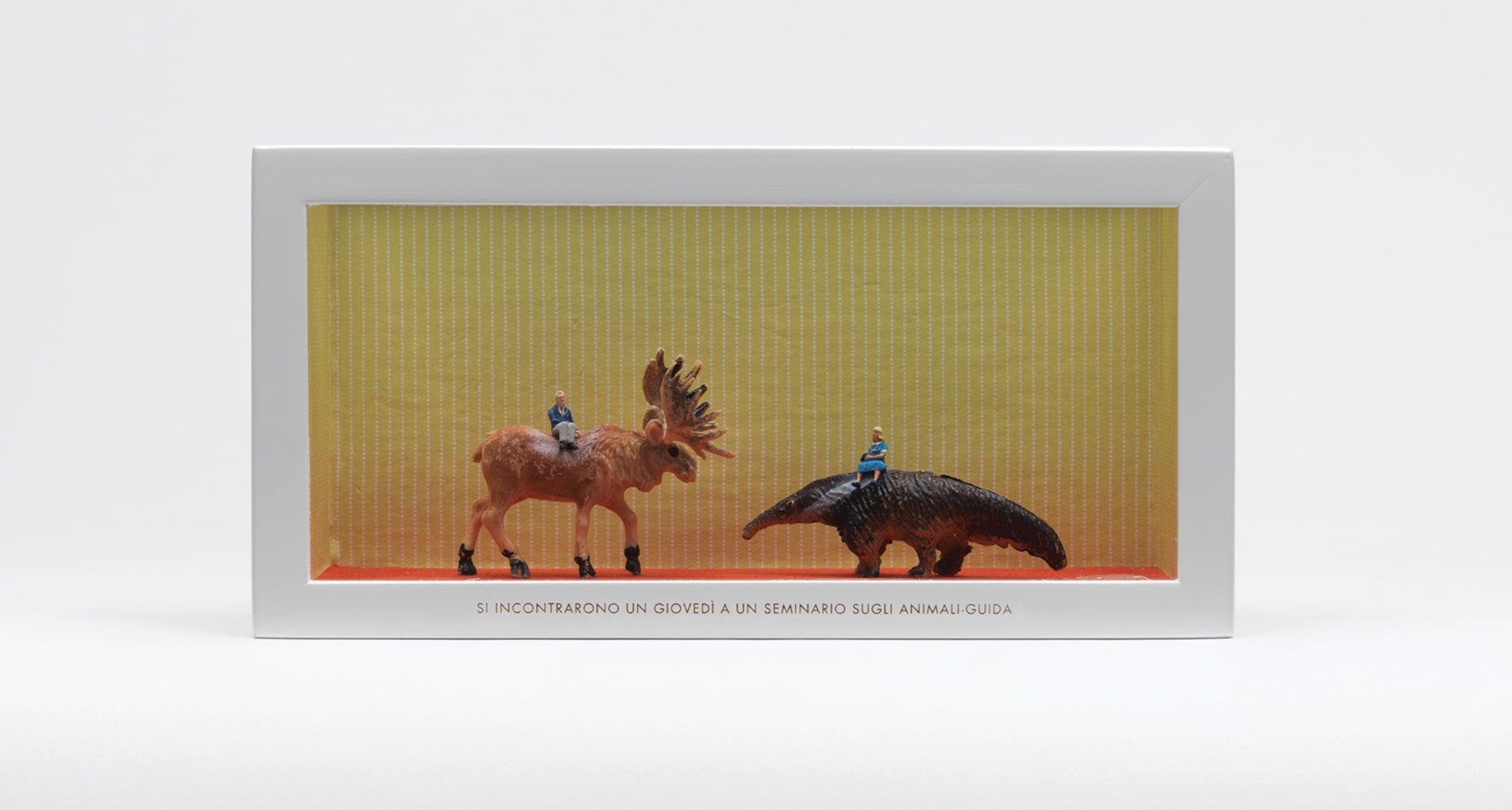
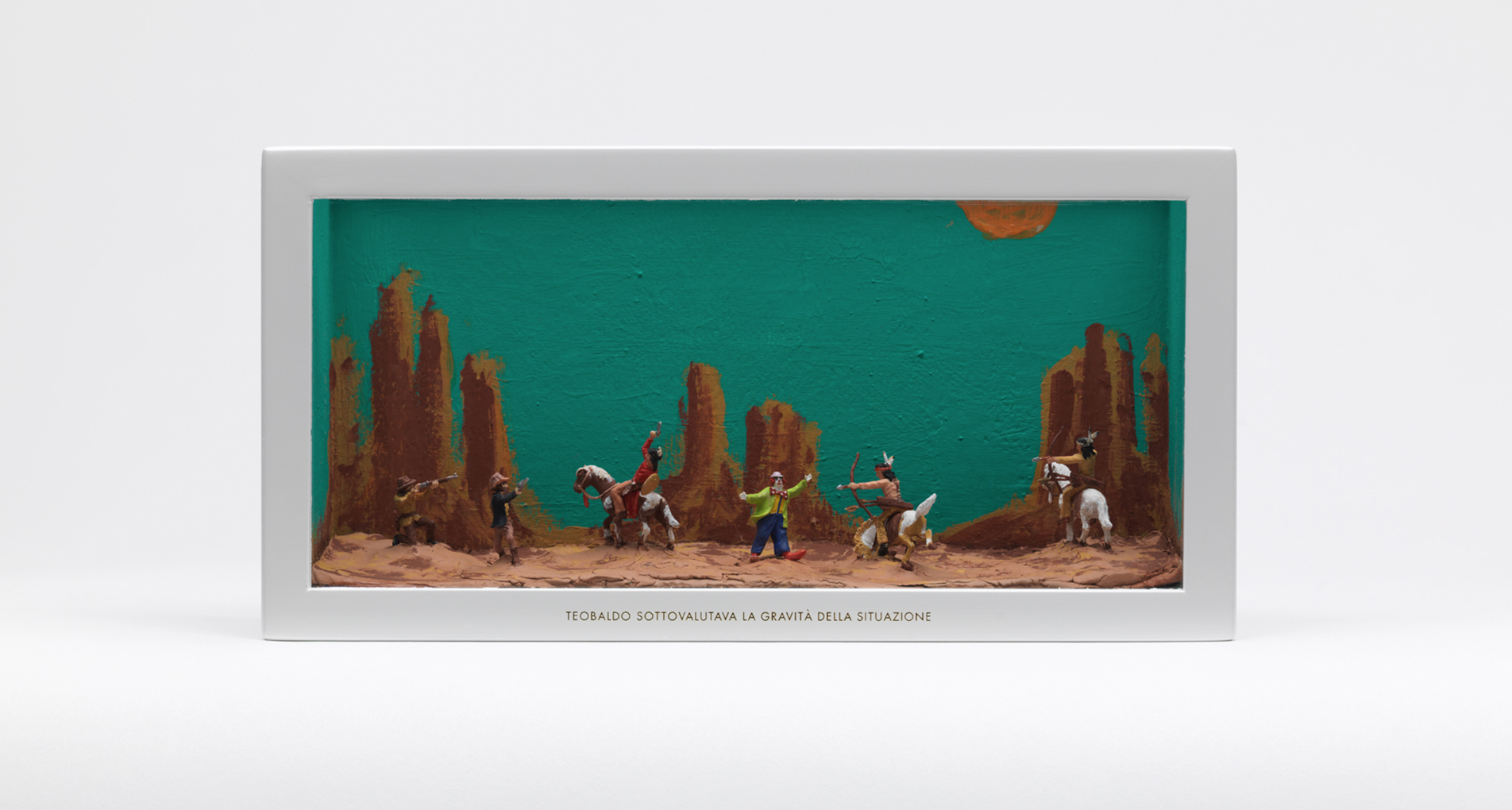
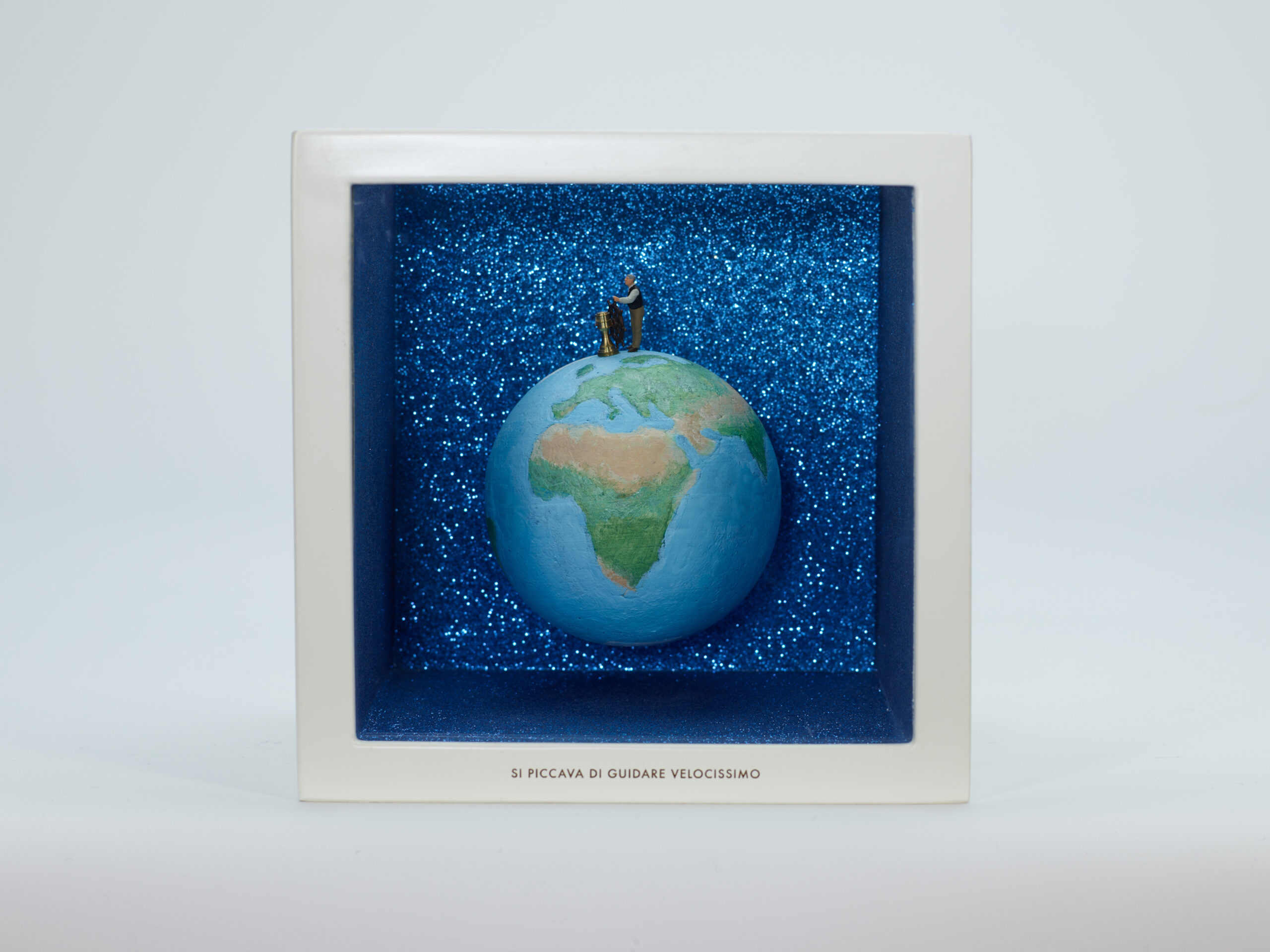
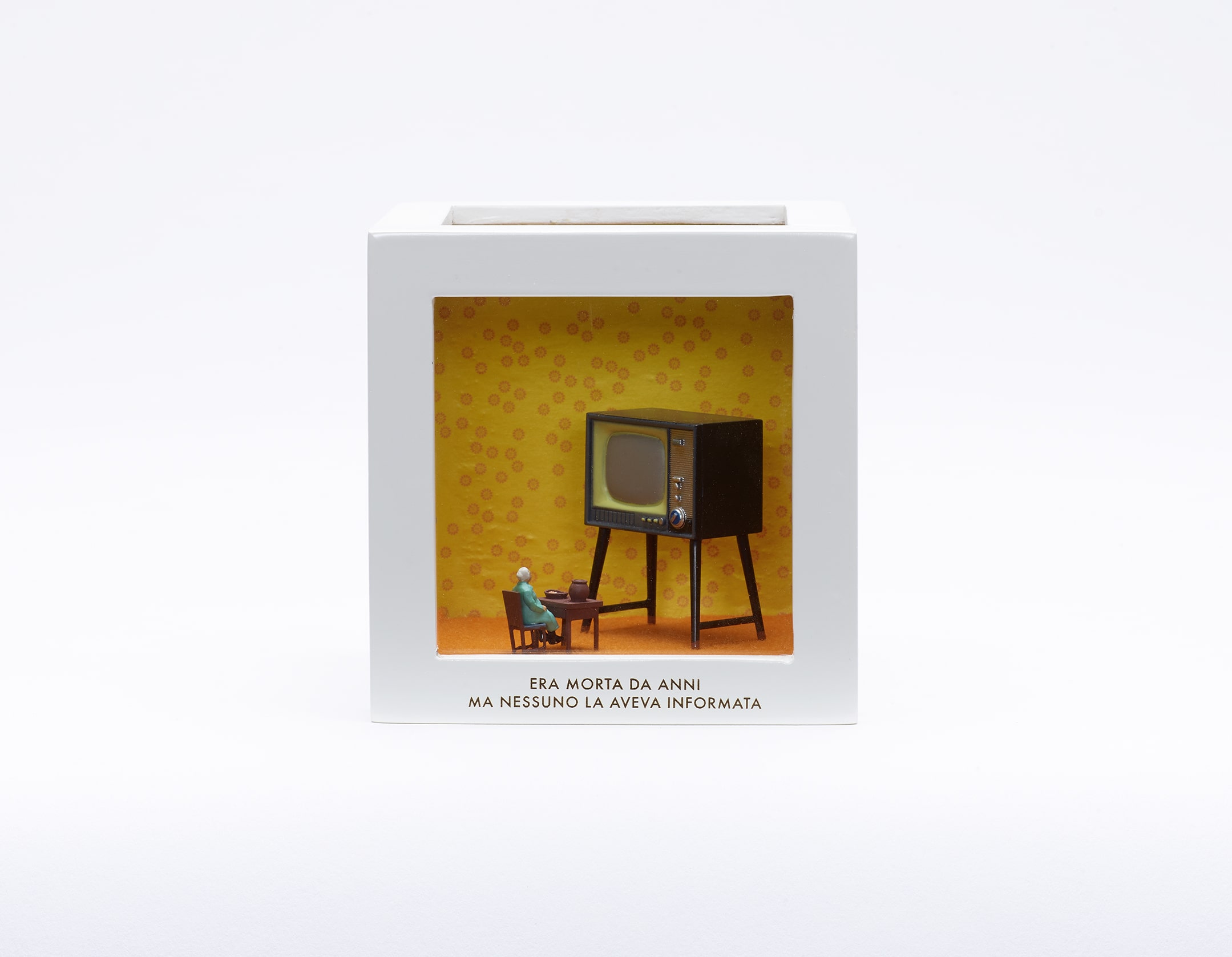
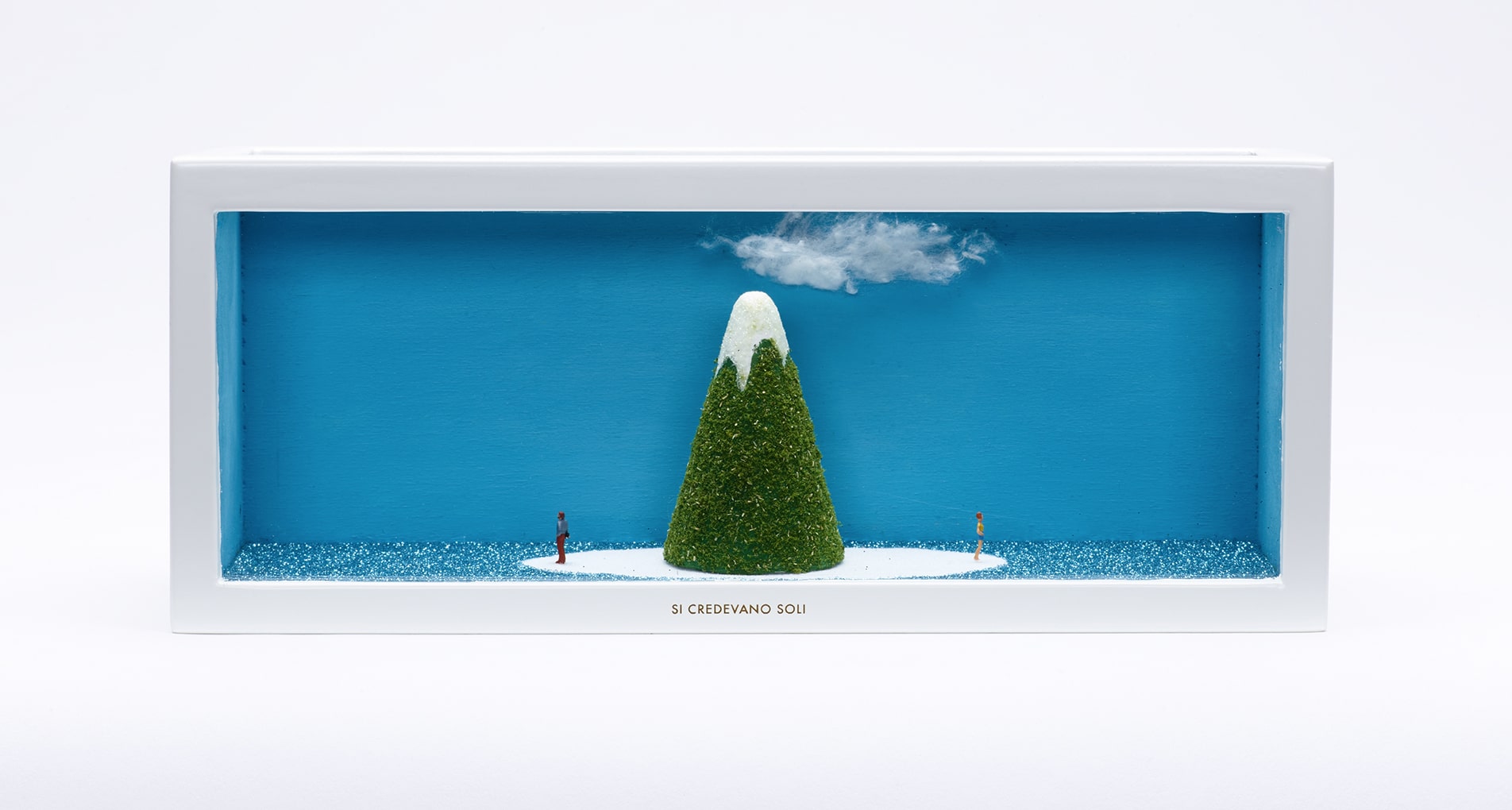
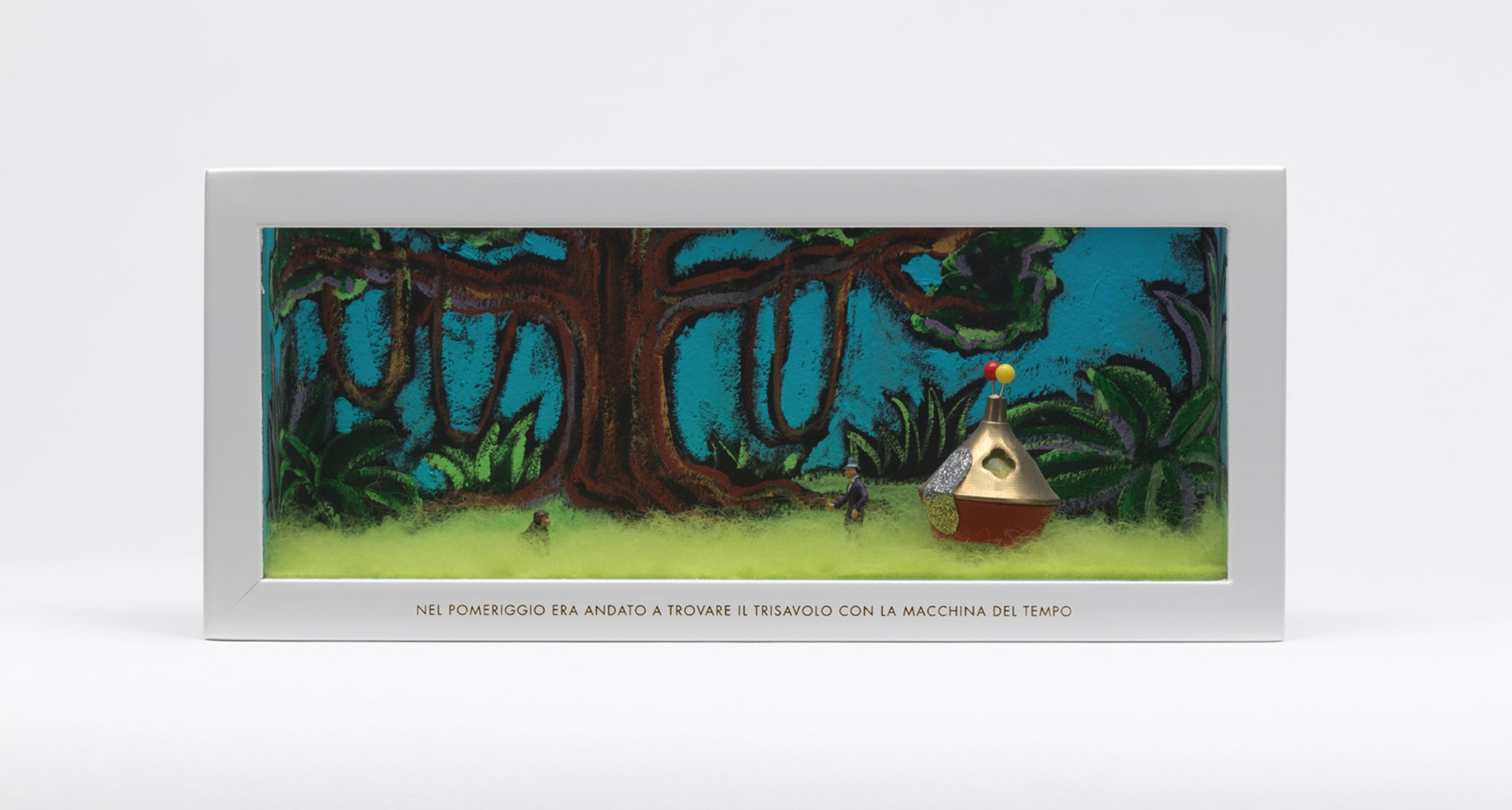
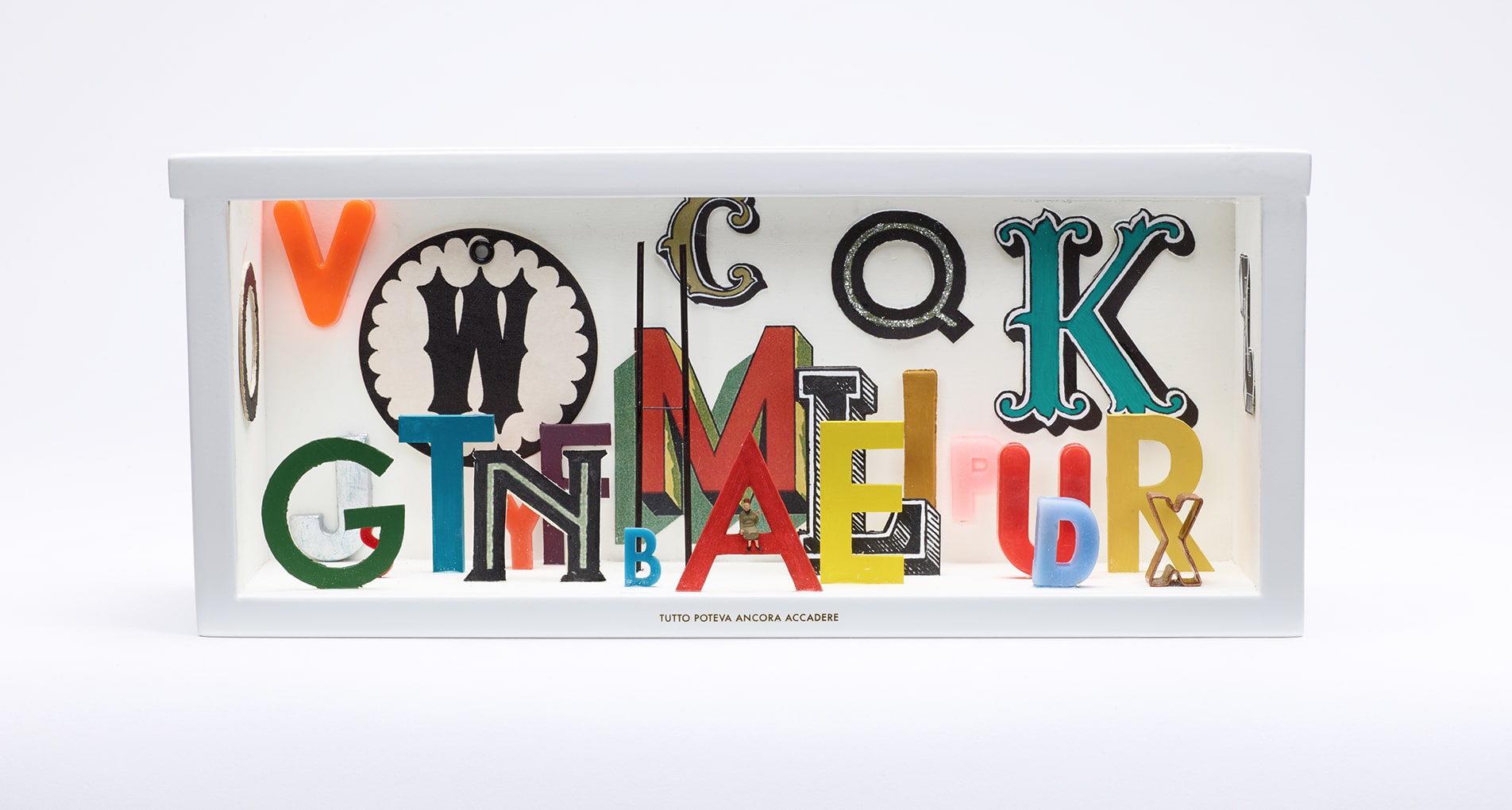
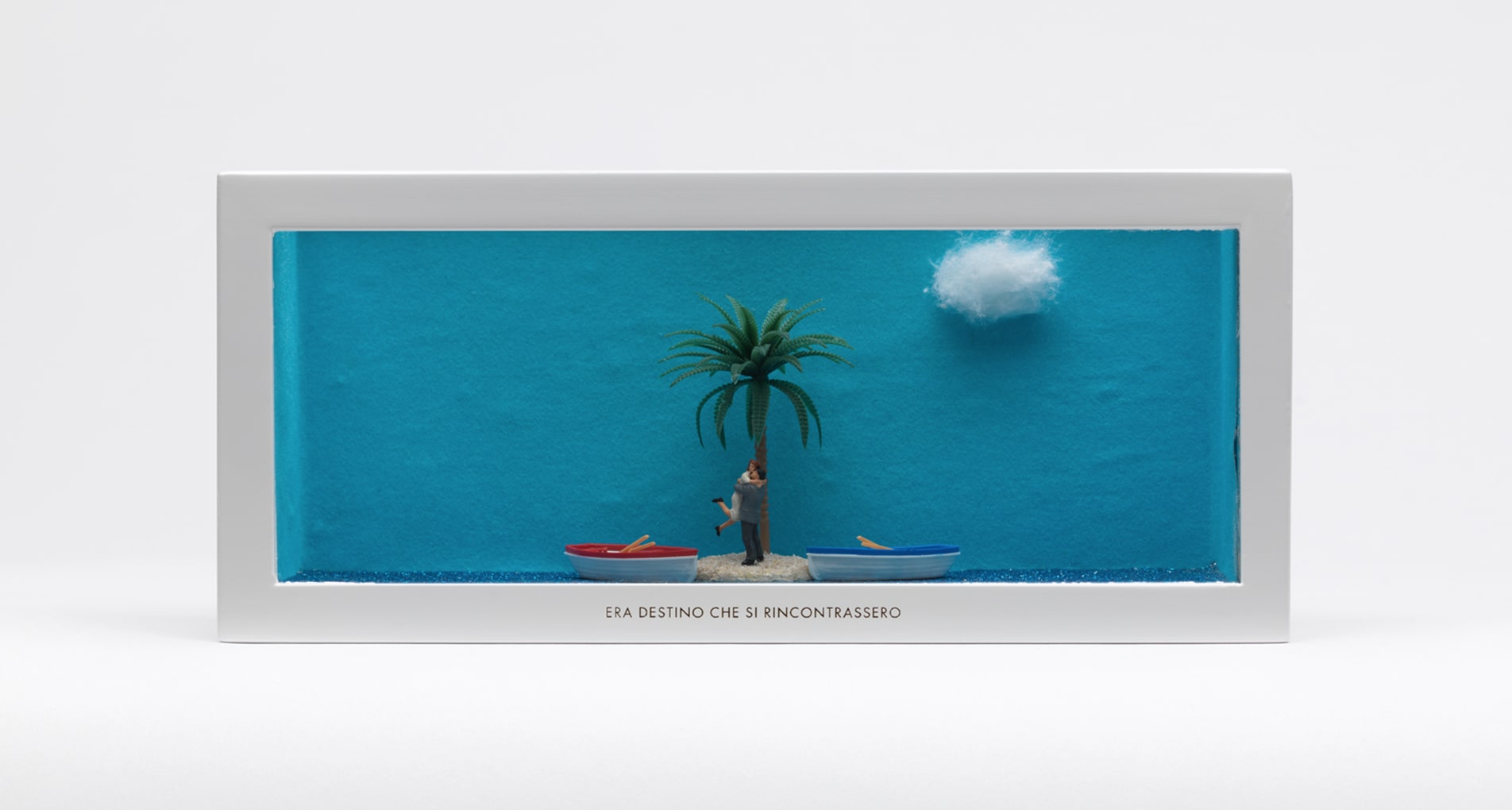
The Retablos – from the Latin re(tro) tabula altaris – were complex altarpieces representing religious scenes and were widespread in the Spanish colonies in South America. Reduced in proportions, the Retablos (or nichos) have entered homes and popular tradition, becoming small devotional paintings, votive offerings to thank the divinities and saints for the protection expressed during crucial and miraculous events: domestic altars, personal blessings, means of communication between the divine and human. I was in London when I encountered my first Dia de los muertos Retablo: I was struck by it and I had to buy it. It was a small red box of wood and glass inhabited by a tiny orchestra of Calaveras (miniature skeletons) giving a concert – in the best Mexican tradition, whereby the dead do as the living: they sing, they eat, they get married. I had the microscopic pop party scene at home for years – my eye’s favorite abode -before realizing that I, too, wanted to and could make my own Retablos. So I built my boxes and colonized them with my characters, adding a title. Inside the small dioramas, miniature three-dimensional scenes took place: topical events, life-changing encounters, characters and allegories captured in an instant and brought into focus by the title.
Each Retablo says something. Together, they make speeches. I use them to talk about things that hurt me too much, or beautiful things. About the art of encountering, death, how we treat other animals, our estrangement from mother earth, a sense of wonder, and of humor, which remains one of the best allies we can have.
“Babas’ Retablos are small display cases measuring 20 centimeters long and 8 centimeters high. They are a hymn to the nomadic spirit and to contemporary portability needs: it is a palm-sized, handy, ergonomic piece of art. Miniworlds, as she calls them. They are small machines for generating stories, jukeboxes abandoned by the management company and therefore usable for free. You just have to do one thing: turn on the button in your mind. You’re not lazy, are you?”
Eugenio Alberti Schatz
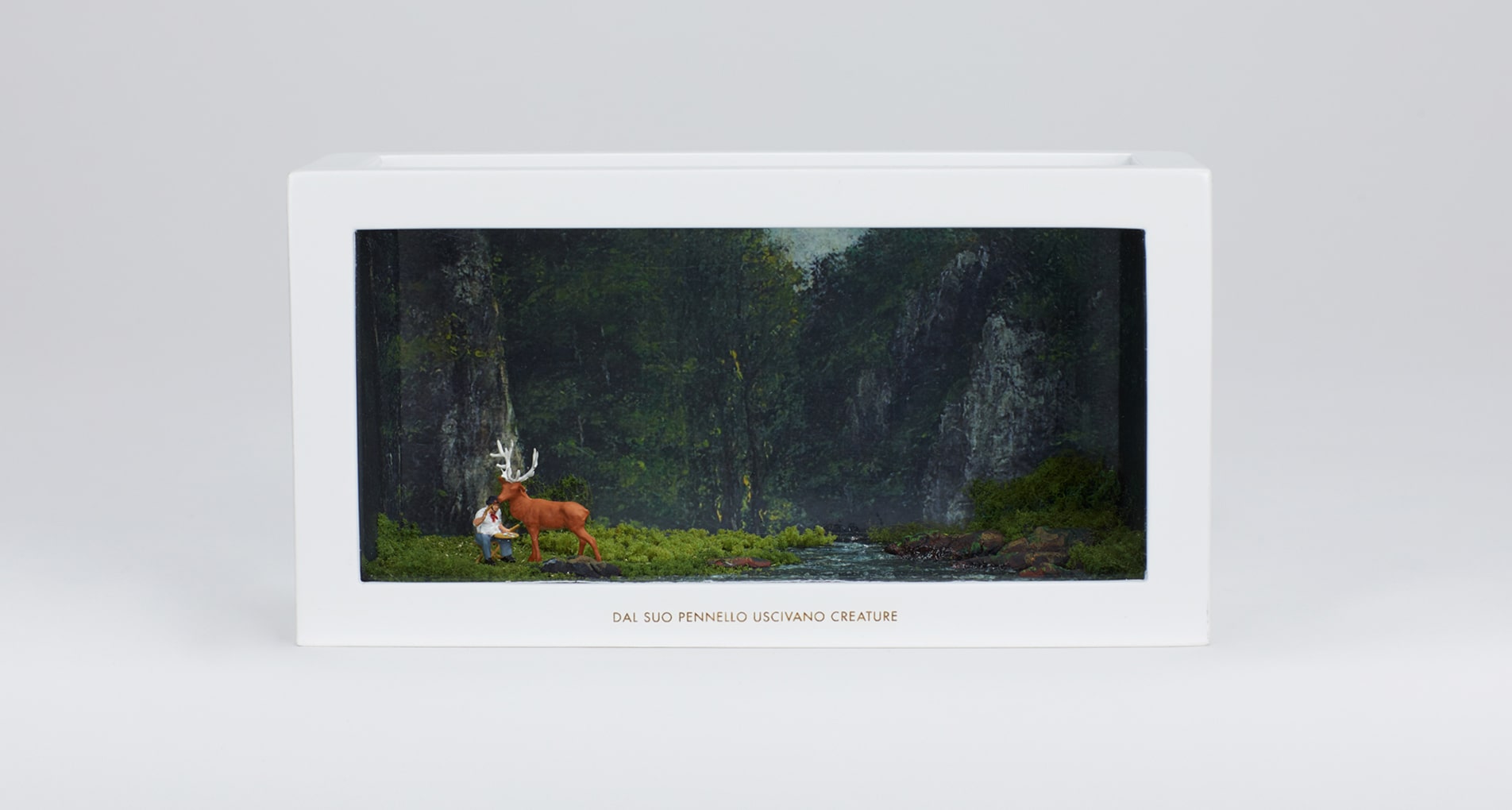
COURBET E LA NATURA
Nel 2018, in occasione della mostra “Courbet
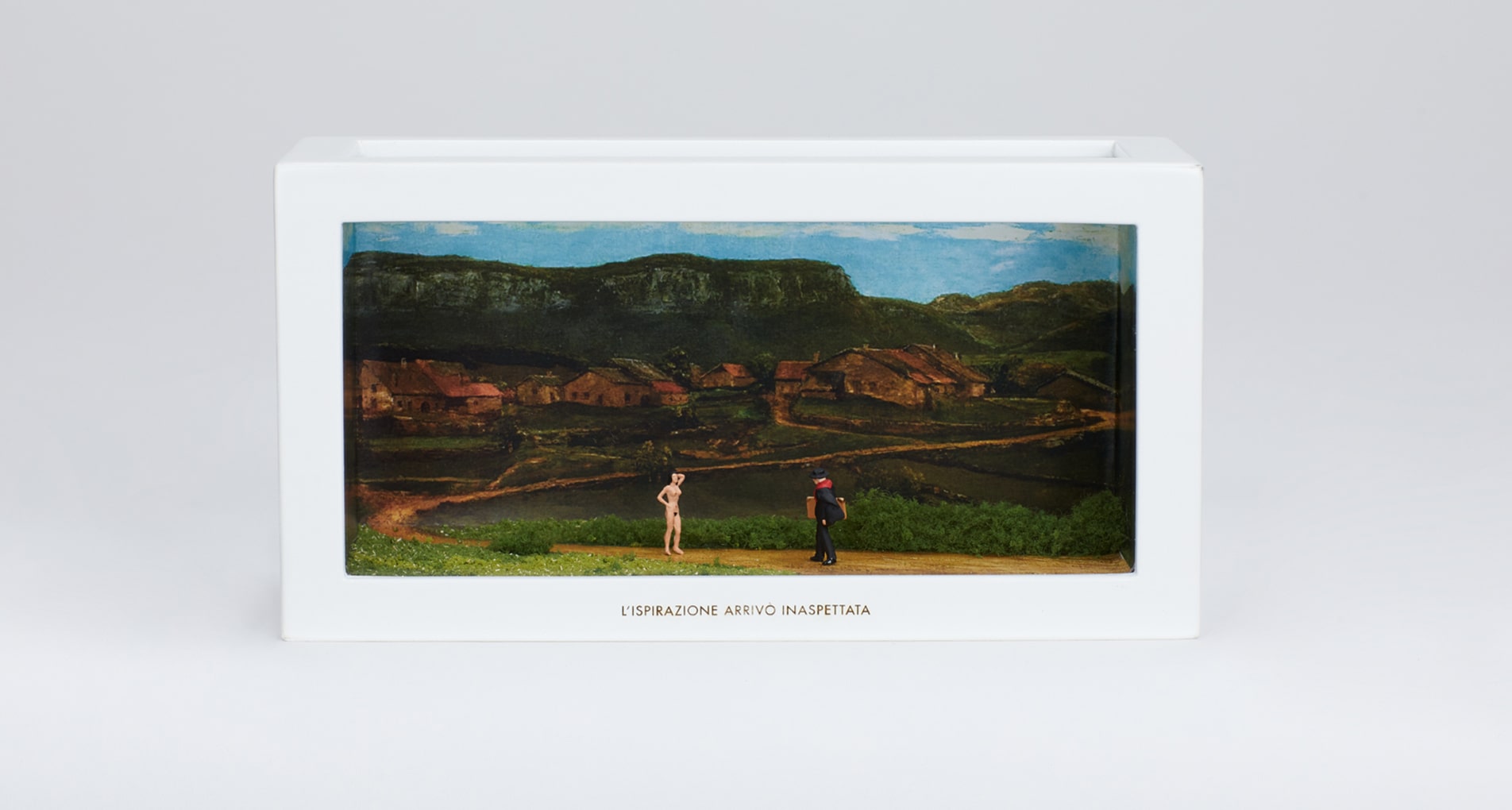
COURBET E LA NATURA
Nel 2018, in occasione della mostra “Courbet
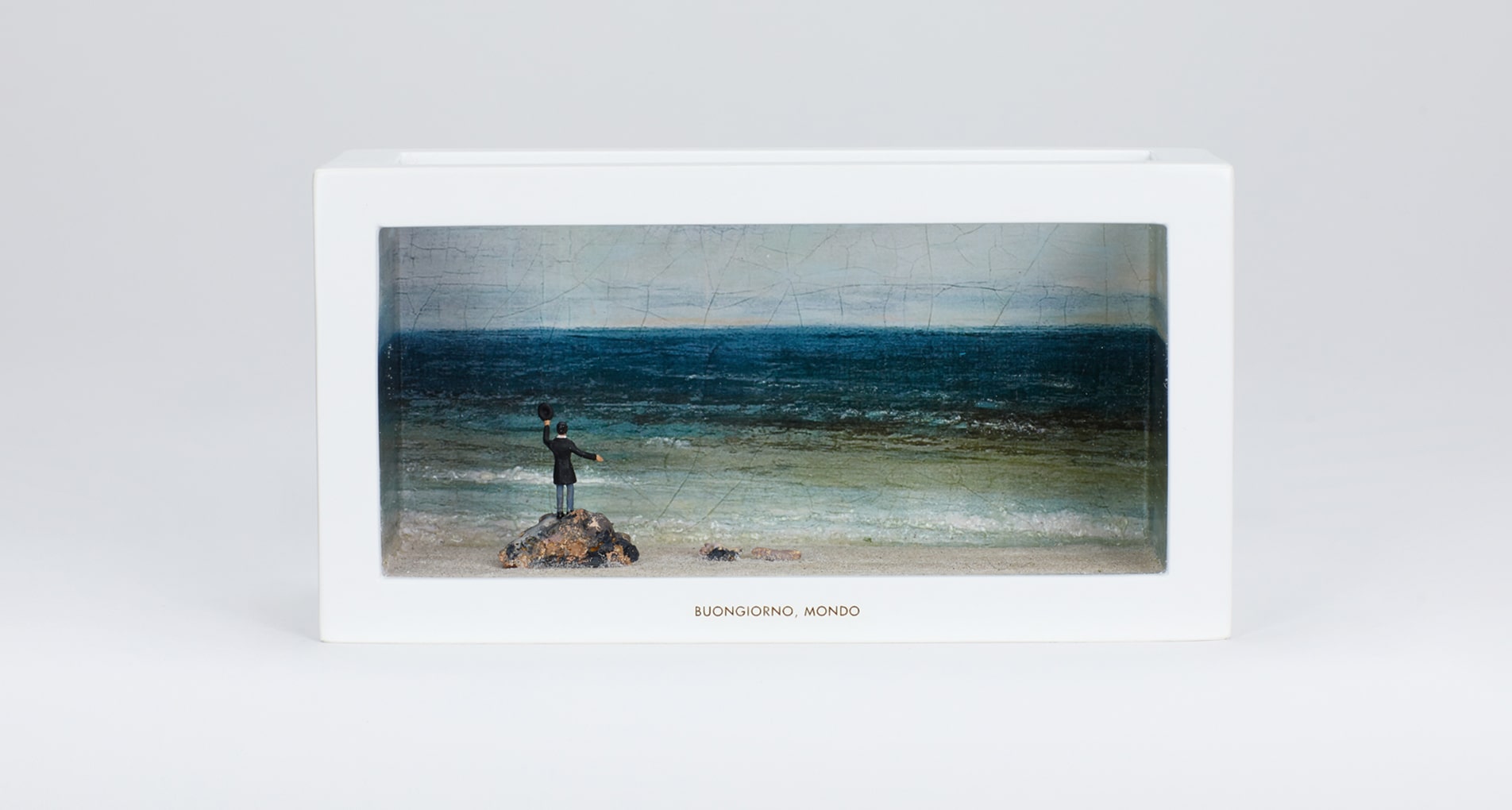
COURBET E LA NATURA
Nel 2018, in occasione