
ELIO E LE STORIE TESE
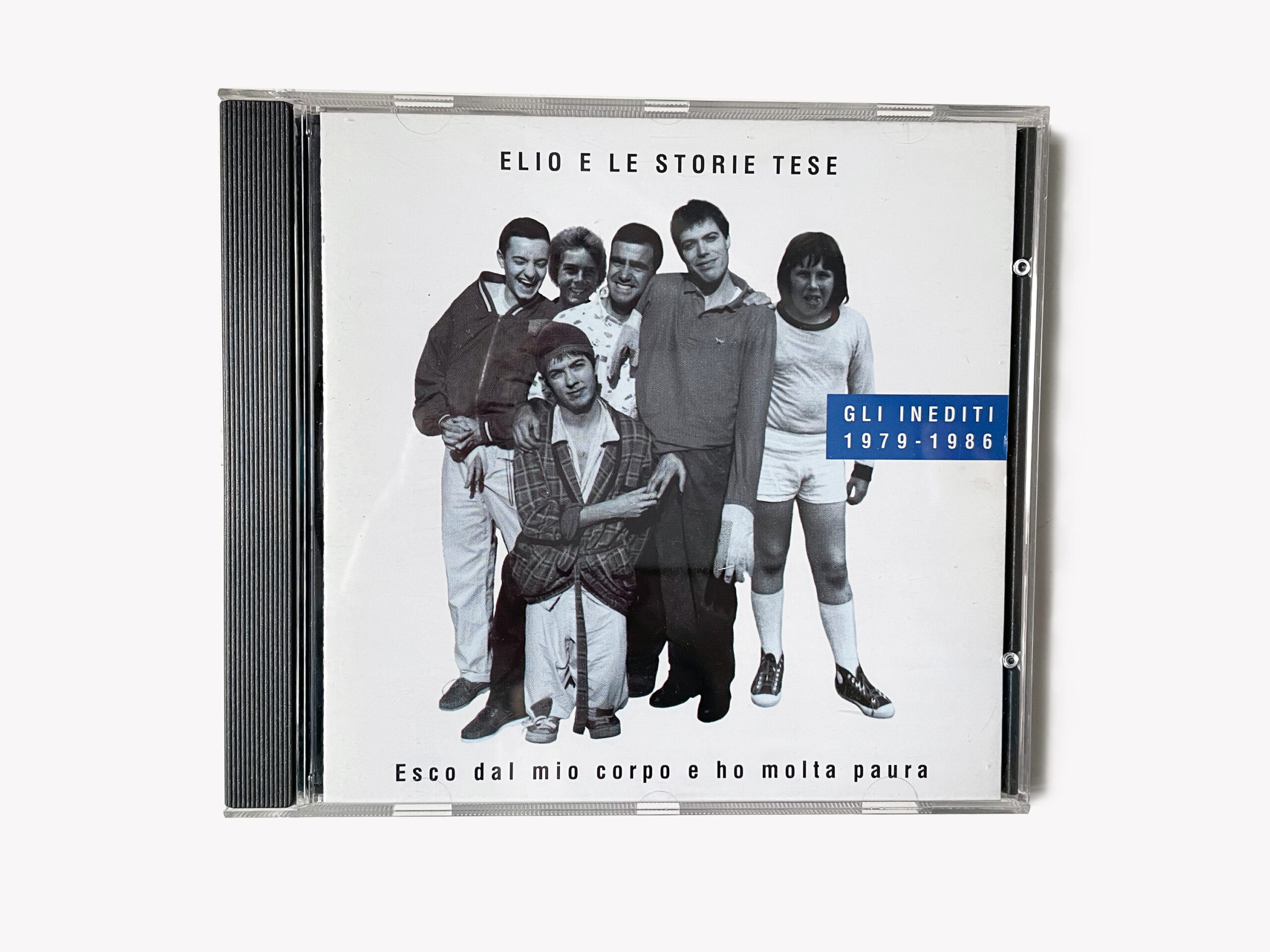
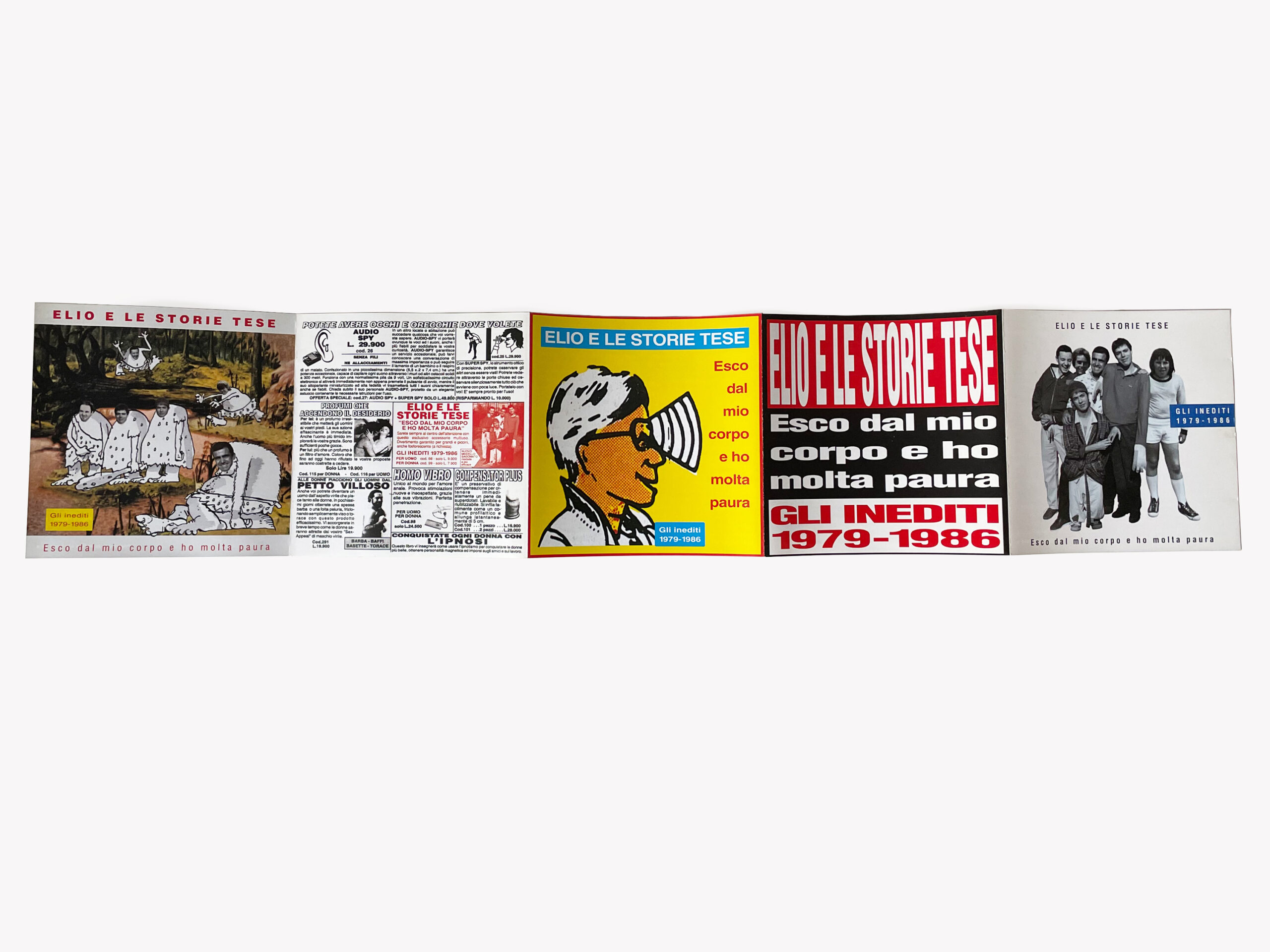
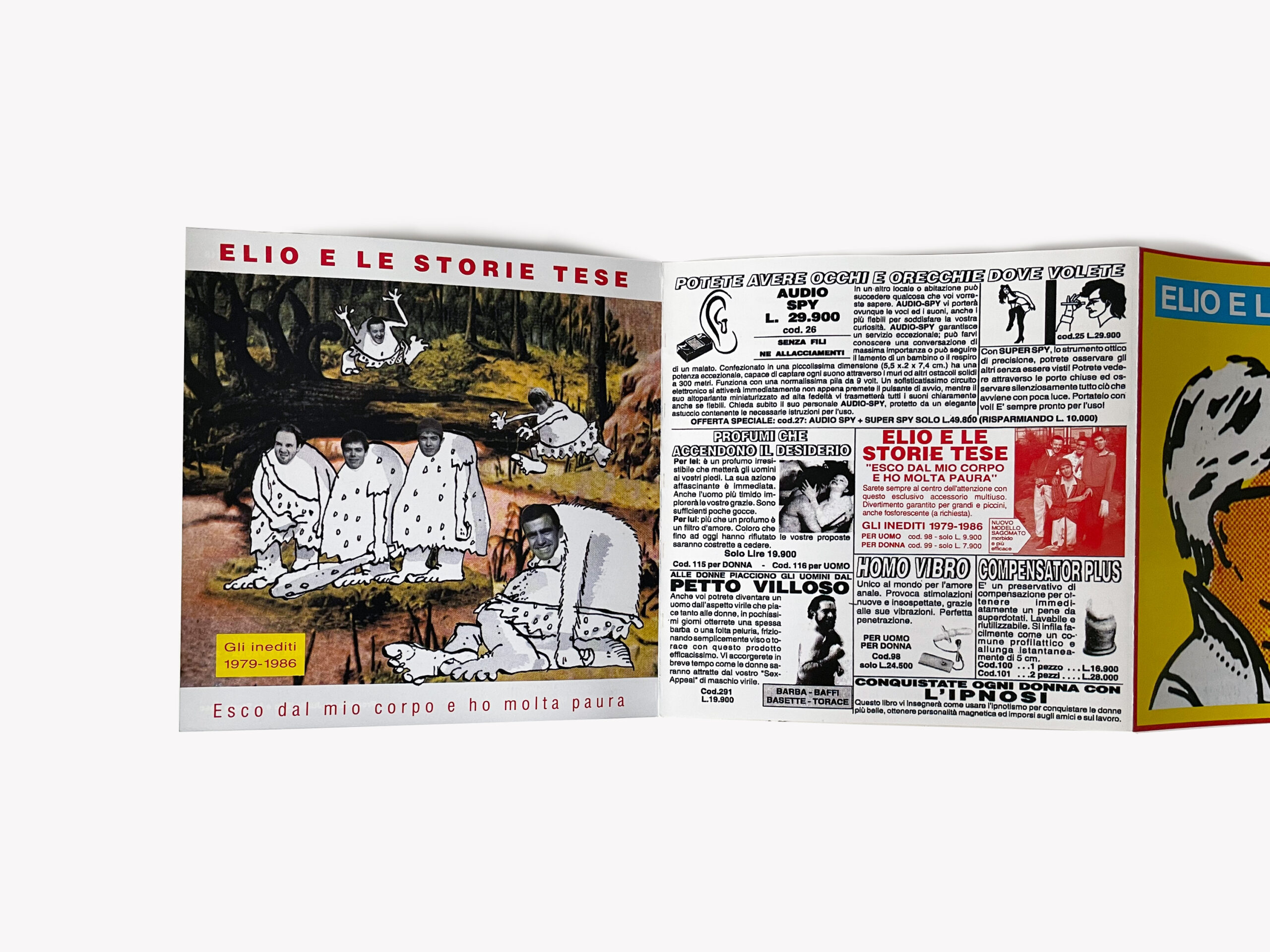
My collaboration with the cult band Elio e le Storie Tese began in 1993, when I was still working for McCann-Erickson in Milan. Esco dal mio corpo e ho molta paura (I leave my body and I’m very scared) was originally the title of an article recounting a dream, published by the astrology review “Astra,” and dates back to when, in their early days, EelST self-produced concert posters with collages in which they combined surreal titles found in “Astra” or “Cronaca Vera” with photographs of group members.
The album is a collection of historical songs from the band’s early years, plus some unreleased ones they’d recorded in Milan at the legendary Regson studio. Burnt by a previous experience where a maxi-single was mistaken for a brand-new album, they wanted to make it very clear from the cover that these were songs from the band’s debut, performed live only a handful of times back when they were starting out.
I submitted various proposals, printing them and assembling them on my CDs. It was our first time working together: the covers were carefully considered, as were the CDs on which they were laid out, as a sort of pre-examination of my musical tastes, which, fortunately, I passed. They liked the covers so much that they decided to include five different ones in the booklet: the multi-cover was an excellent start.
This was followed by Nessuno allo stadio (Nobody at the stadium), the theme song for Mai dire Mondiali (Never say World Cup) by Gialappa’s Band. Aside from Elio’s notorious partiality to Inter Milan, the rest of the band were not big football fans; their sympathies went to baseball (Faso and Elio), passive extreme sports (an invention of Rocco Tanica), and motorcycling (Christian). If I’m not mistaken, that’s where they ended. A soccer shoe stepping on a turd immediately met with majority approval.
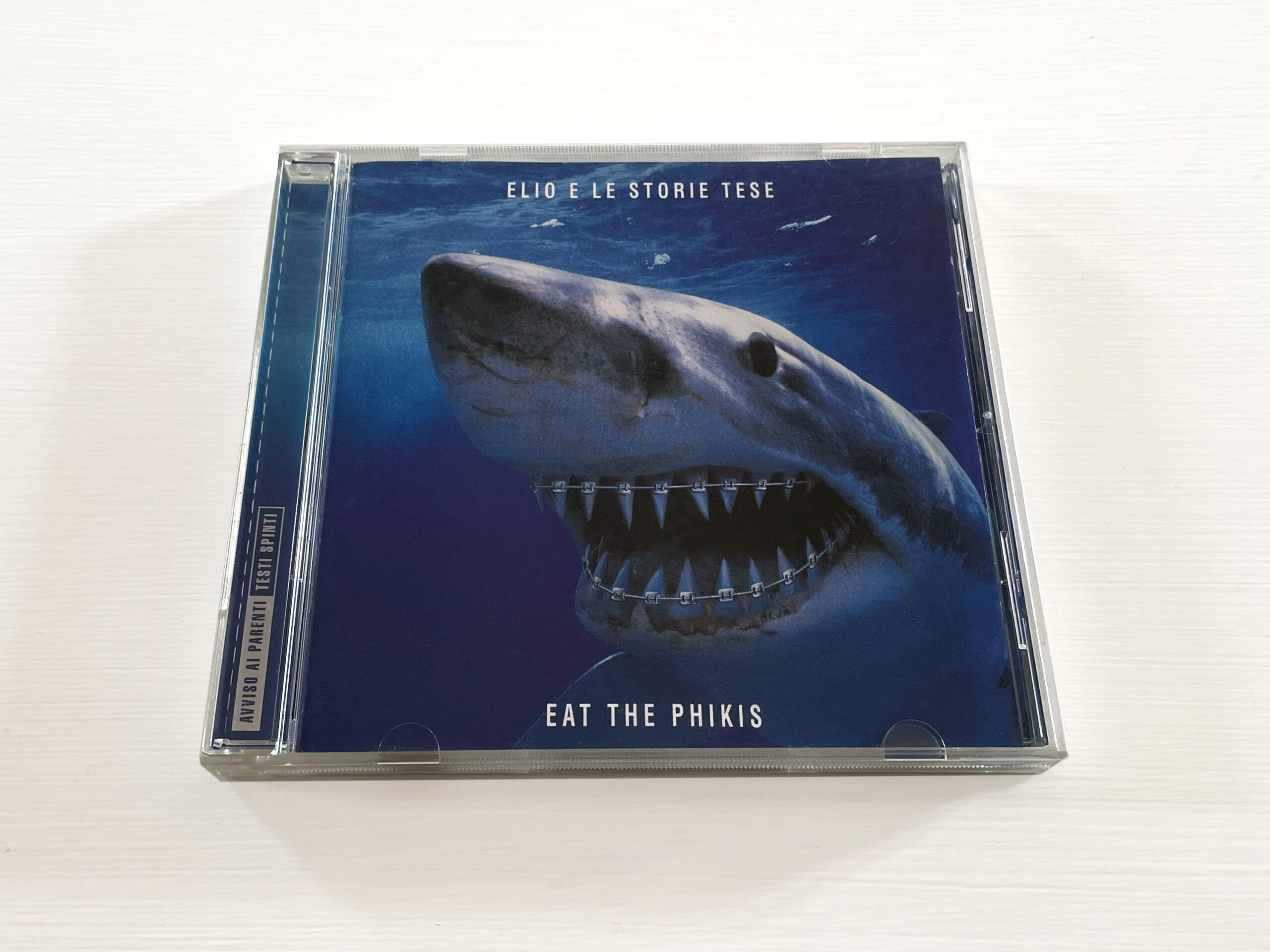
In 1996 two things happened: the band attended Sanremo – the world-famous pop music festival – where they met with huge success with La terra dei cachi (The land of persimmons), and they released a wonderful new album: Eat the phikis.
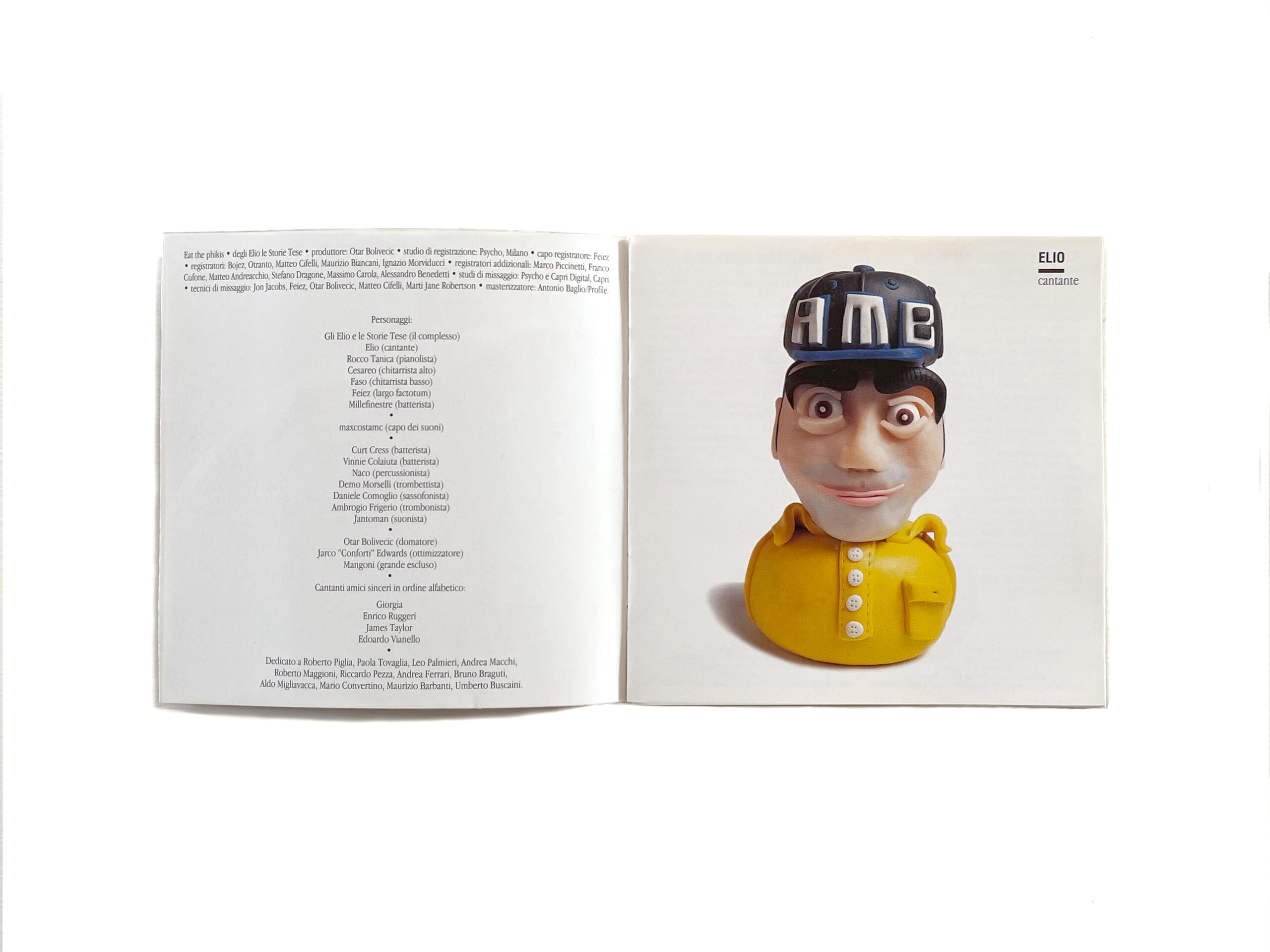
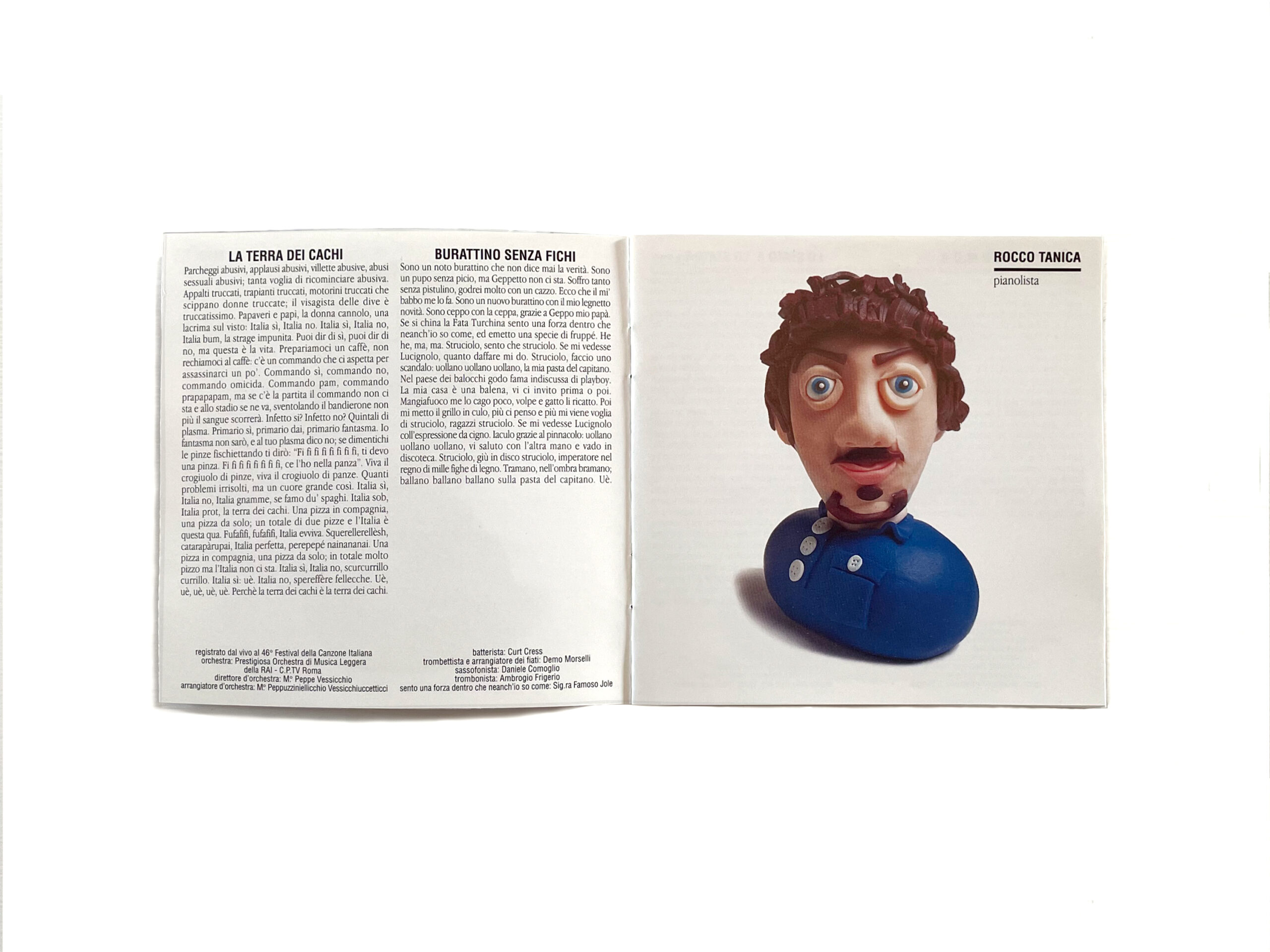
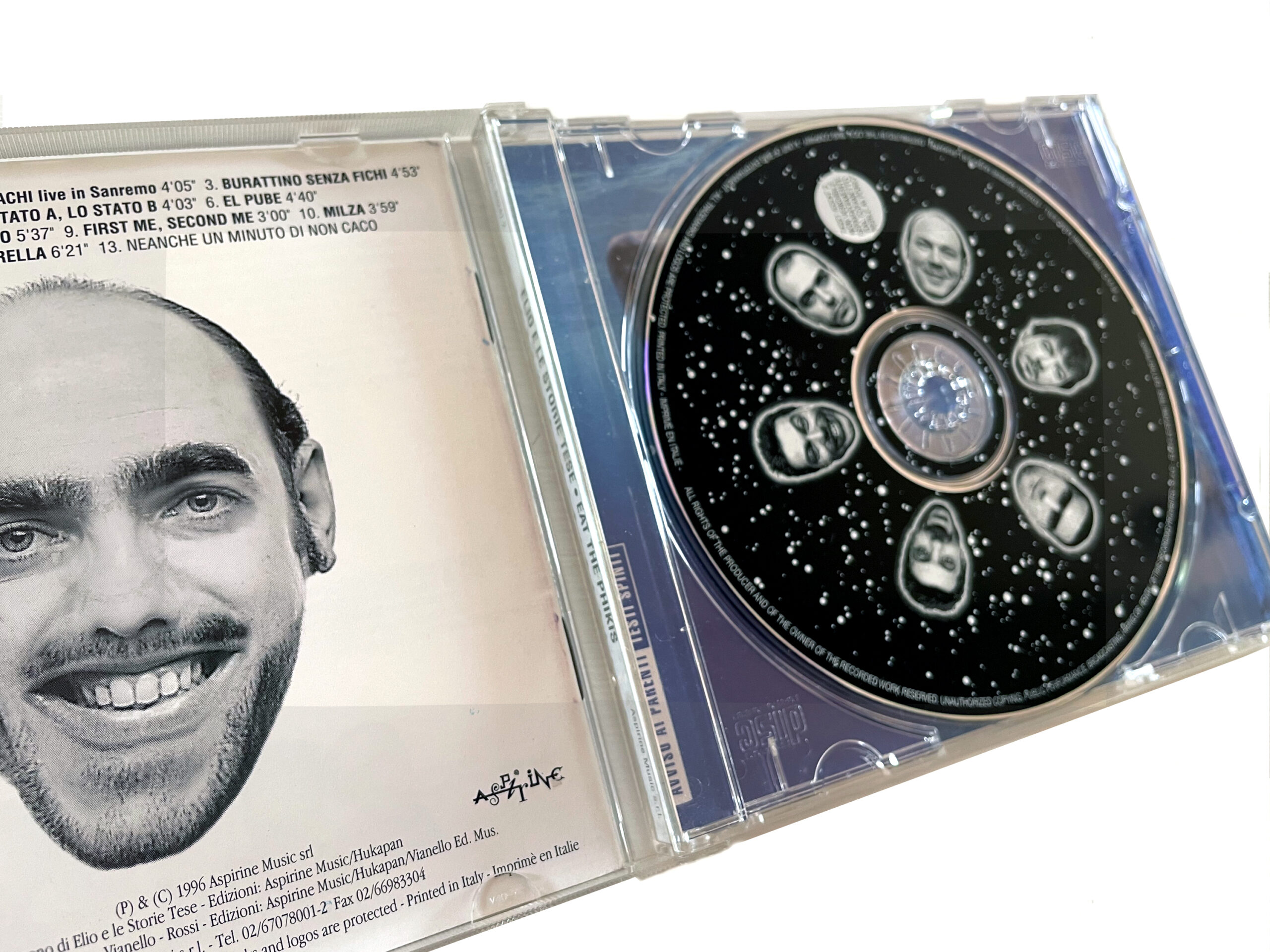
Late one day I presented the band with the cover picture for the album, in a chaotic meeting where everyone was talking at the same time. Usually we were more disciplined, but not this time. Elio roared with laughter at the idea of a predator wearing braces (options: shark, wolf, lion). We chose the shark. Alex Koban edited the photo, Robi Bagatti made the clay portraits of the EelST members that appear in the booklet, and Lorenzo Scolari photographed the device and the small busts Robi had made. Elio then asked me to put Bergomi’s face instead of his on the disc; according to him, not many people would notice.
Very interesting characters gravitated around these projects: for example, Jon Jacobs, who worked as a sound engineer with Paul McCartney and who tuned my bongo – which I have looked at with veneration ever since and barely dare to touch. James Taylor, idol of my childhood and beyond, whom I asked in a moment of decadent delirium to autograph an apple for me. He wrote: Barbara, it’s enough to be on your way. A second later I regretted not having made him write this blessing on something more lasting, perhaps engraving it on my arm, so I photographed the apple in vain with my polaroid, without ever being able to focus on the writing. But I know I had it. And the blessing worked.
And, of course, there was Feiez. We didn’t know that he wouldn’t be with us much longer. But Feiez emanated a very powerful creative and loving energy: he was a guru, a spiritual master who attracted humans, dogs, children, music, and beautiful things like a cosmic magnet. Perhaps it was materially impossible for him to burn with such intensity for long.
Great singers, fantastic musicians, exquisite technicians, all brought together and choreographed by the brilliant minds of EelST. Working with artists allows you enormous creative freedom – especially with those of this caliber.
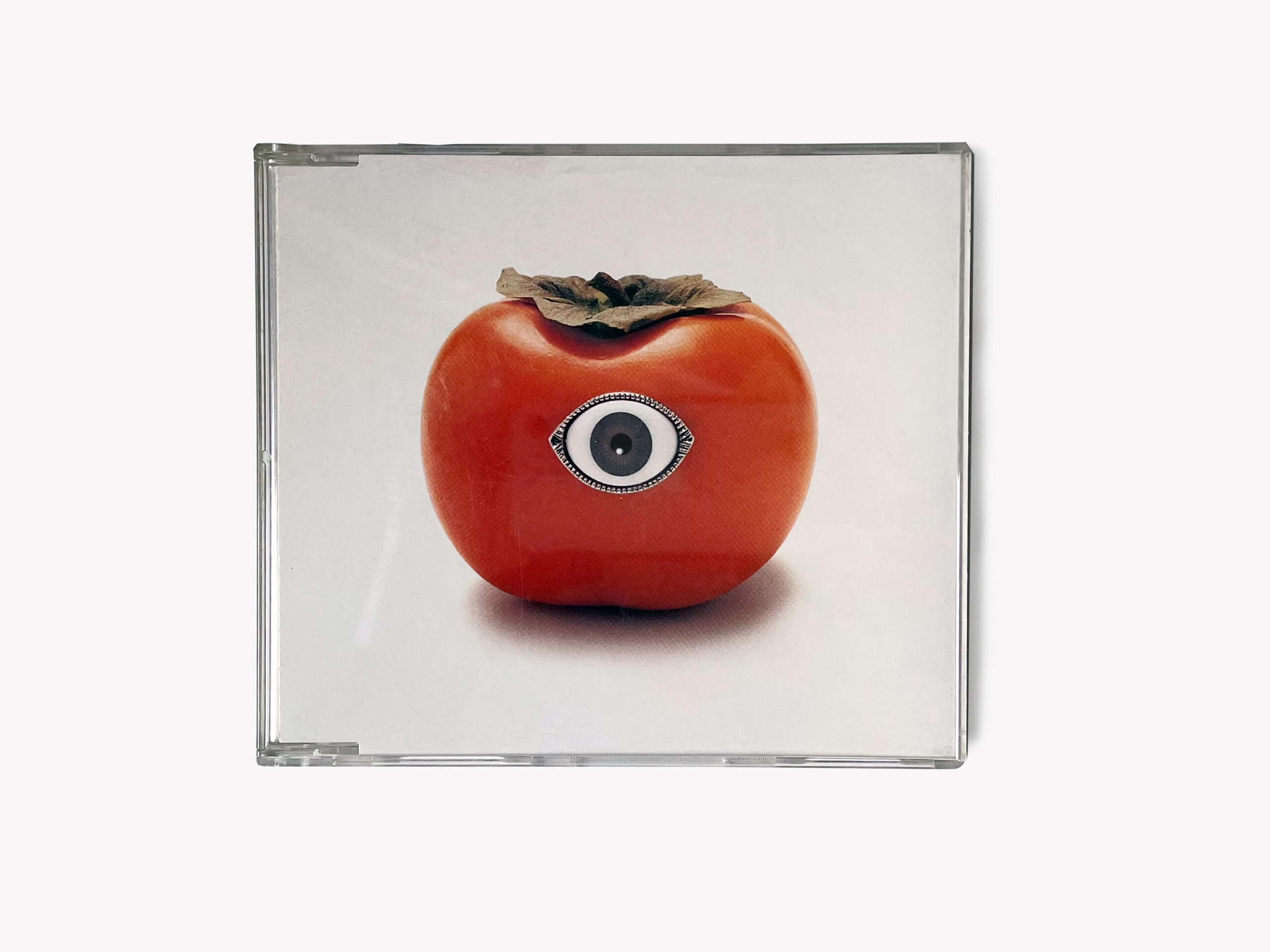
For the following album, Craccracriccrec, I proposed, among other things, the idea of supplying parts of the body with eyes (and autonomous identity); nose, toes. The band liked the nose but I fell out of love with it because in the meantime, I’d had another idea that I liked much more. Otar Bolivecic, the producer, remained faithful to the nose and found an artist who had created a similar work. This difference of opinion between Otar and me ended our collaboration. Understandably; proposing ideas that others love and then snubbing them is never advisable.
But I’ve remained on good terms with Otar – while the rest of the EelST members and I are still very close friends – like family, even. We shared so many important things together.