EPHEMERAL ATLAS
with maps by Giulia De Amicis
A thing of beauty is a joy for ever
John Keats
We draw maps of the world as a guide for travellers, as if the world were to remain the same. We know it changes, and yet we measure the planet: we capture it on paper, with a certain degree of approximation. An approximation suited to human life: on a scale with us in space and time.
The map of Lake Como changes more slowly than the lake itself; but, for us, it works. For a creature living a hundred thousand of our years, it would merely be a snapshot of a fleeting moment.
The planet is composed of infinite planets in perpetual flux. We draw maps of its evanescence.
Everything is relative. Mountains are the earth’s waves, moving ever so slowly. Clouds are continents of water and ice, on a perpetual journey. Lakes appear, grow and dry up, following the breath of the glaciers. Rivers change course; cities are born, transform and fade away over the centuries and millennia.
A drop of water is a universe containing a multitude of creatures and stories, and a puddle is someone else’s lake. A lake of more limited size, of shorter life; yet it has shores and islands and beaches and reflections and creatures living on its banks and, with a bit of luck, it has a sunset.
The Ephemeral Atlas invites us to appreciate the planet’s fleeting splendour.
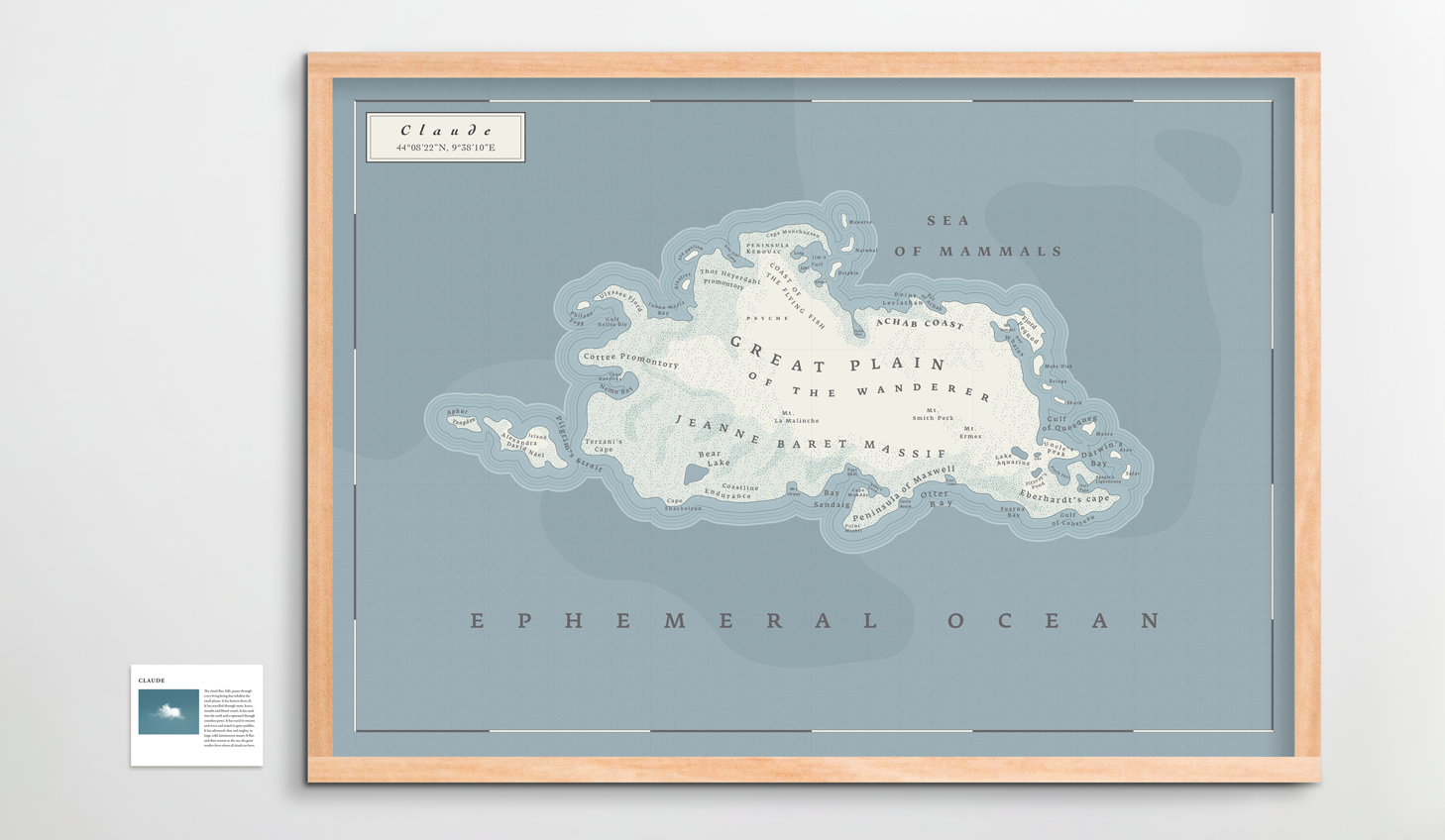
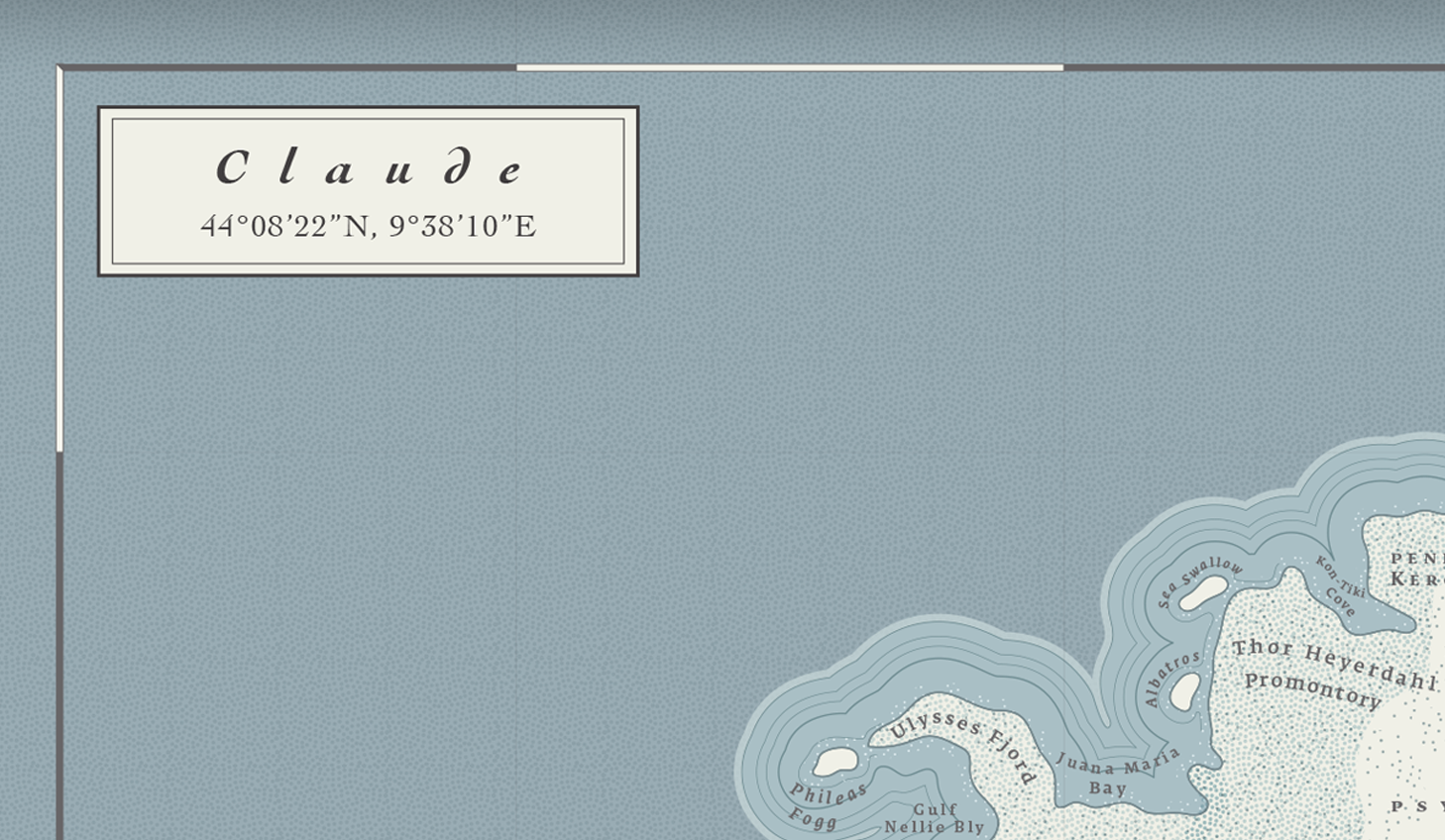
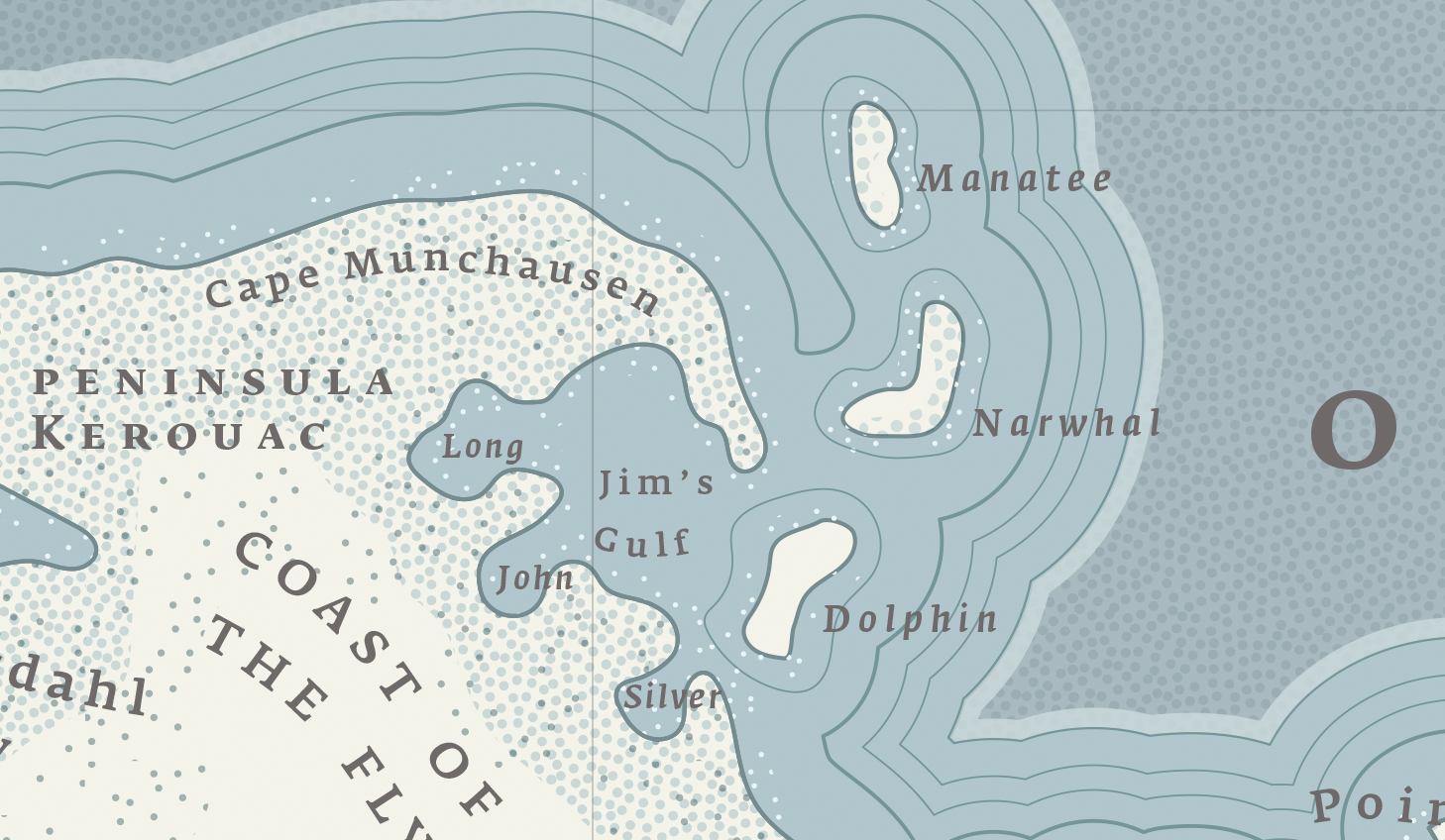
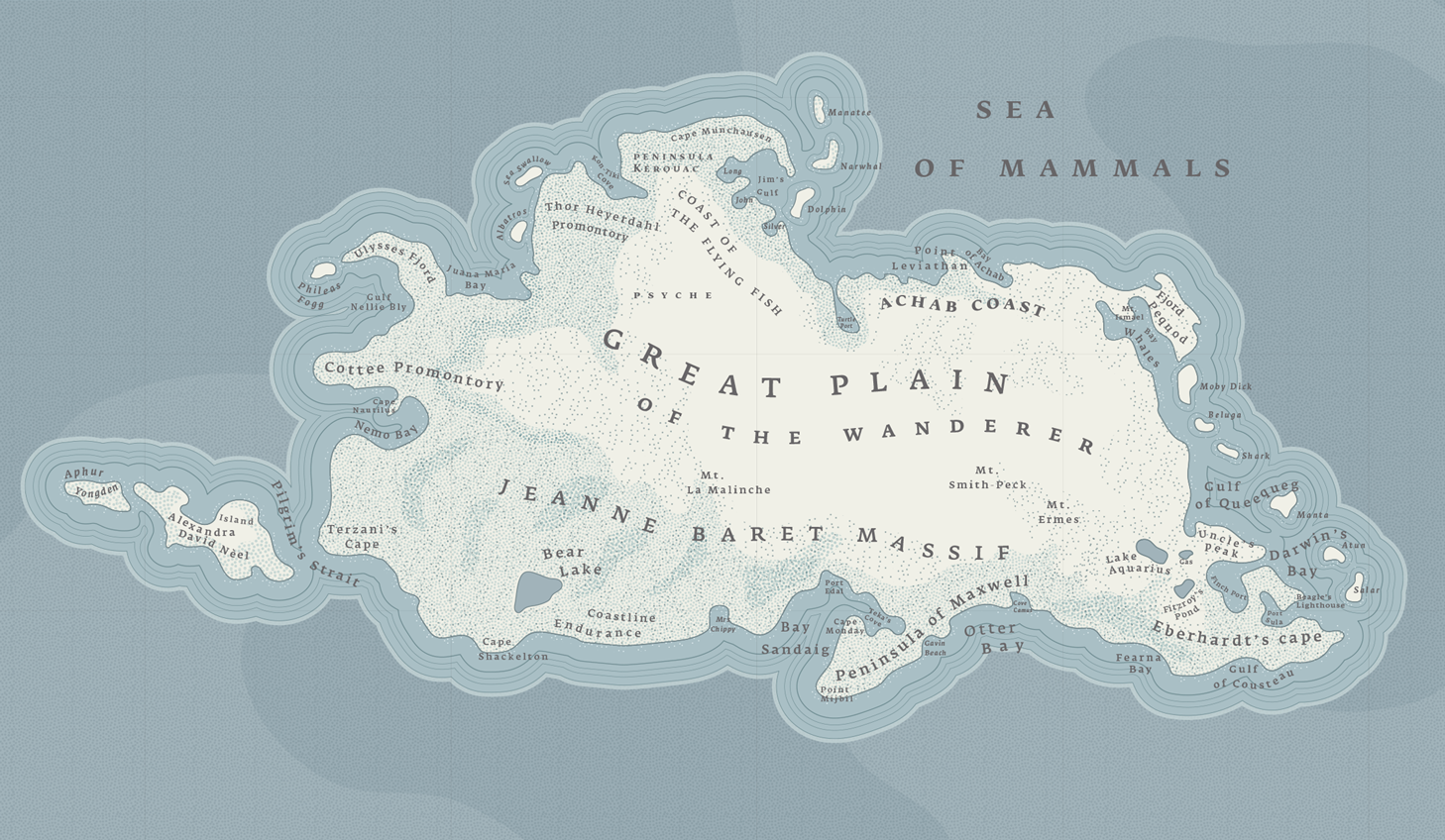
It does so through a video, filmed in various parts of the Mediterranean basin, and through a collection of maps. The maps were drawn by Giulia De Amicis based on photographs I took of microscopic panoramas – phenomena lasting but a moment – and show the actual geographical coordinates.
It is a paradoxical undertaking: whilst the video draws us into the movement and flow of becoming, with a slow rhythm that makes us lose our bearings between the microcosm and the macrocosm, the maps surrounding it do exactly the opposite, capturing and freezing what lasts only a moment. But it does not matter if it is only a moment: it happened.
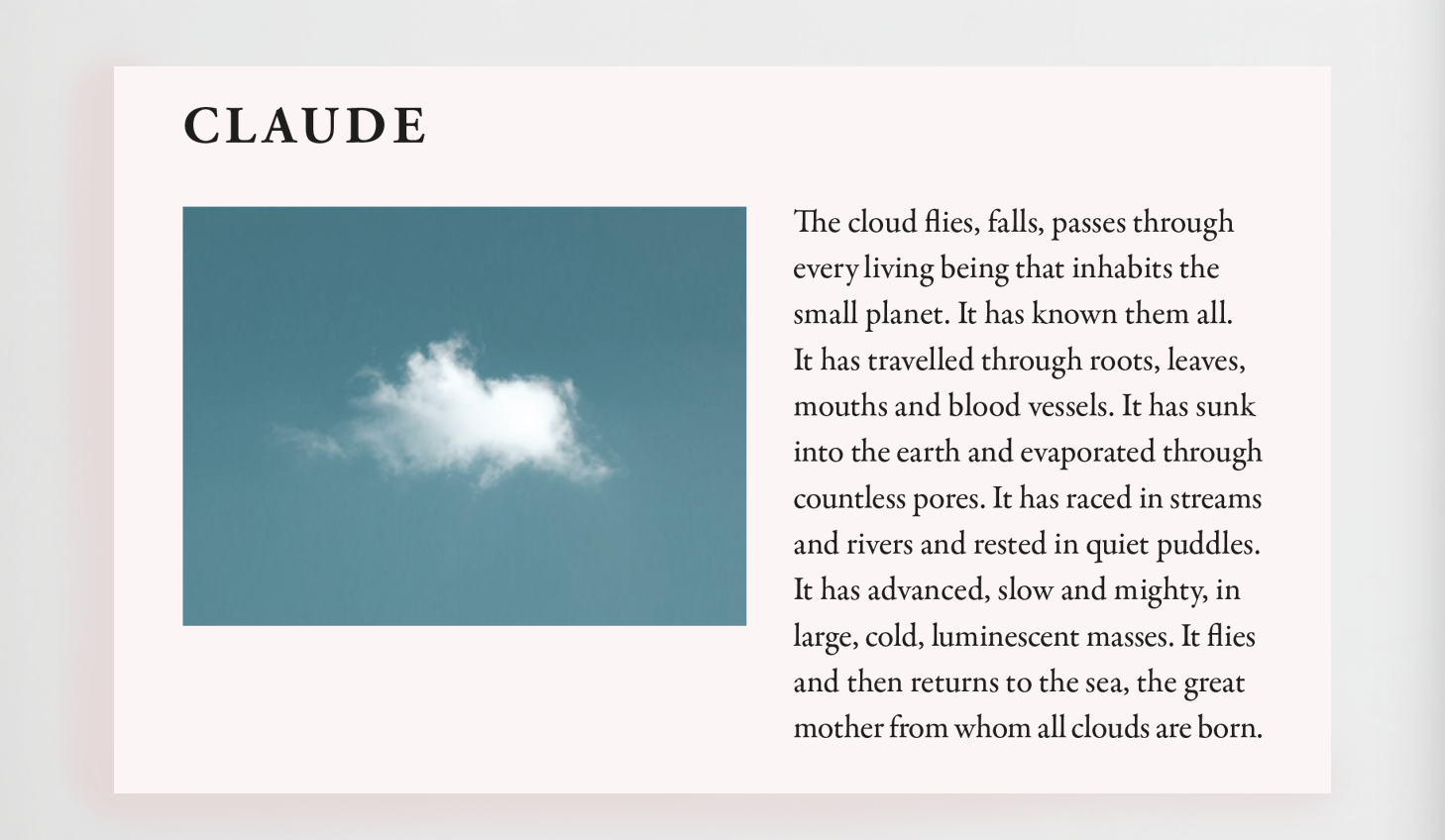
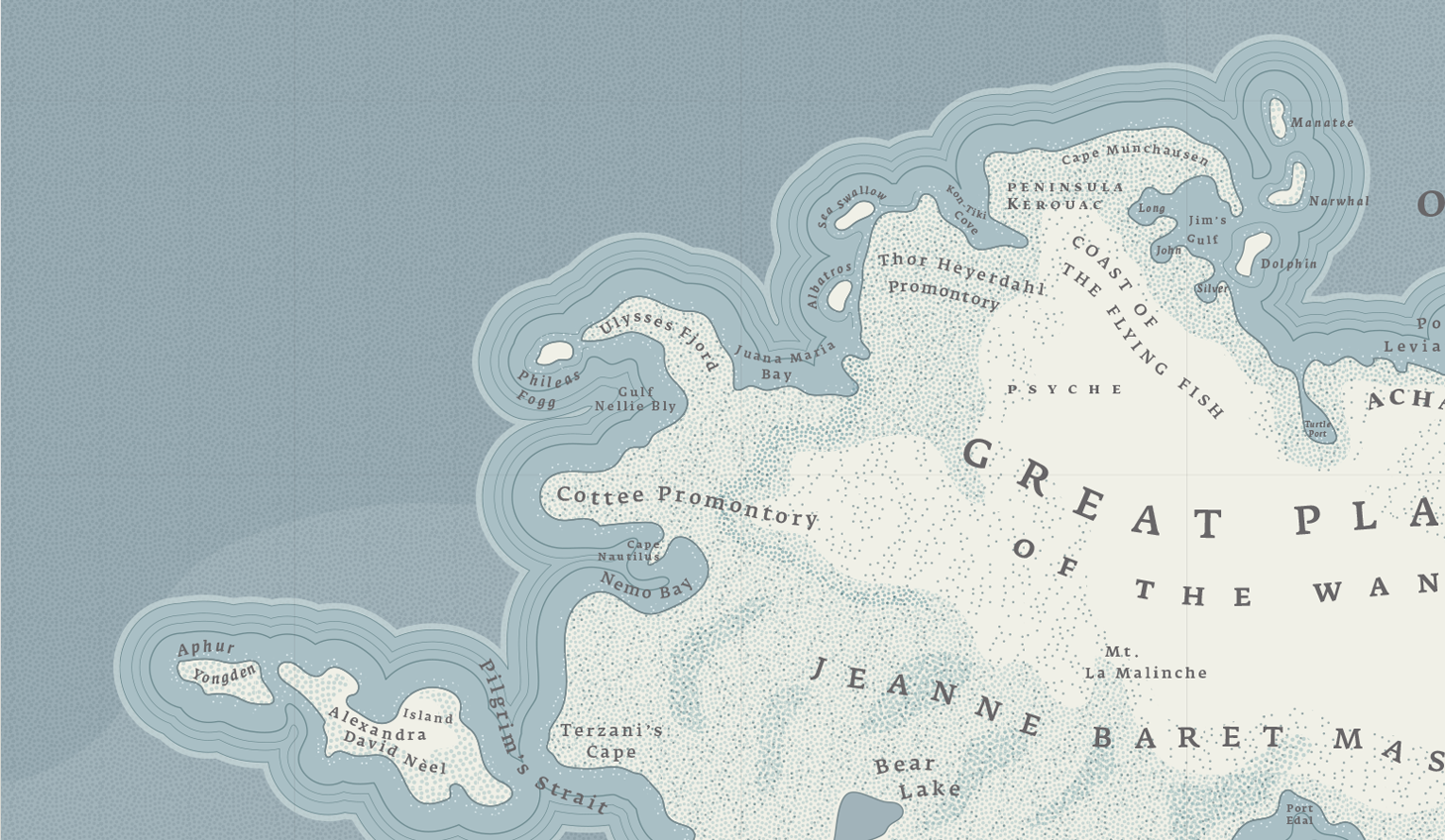
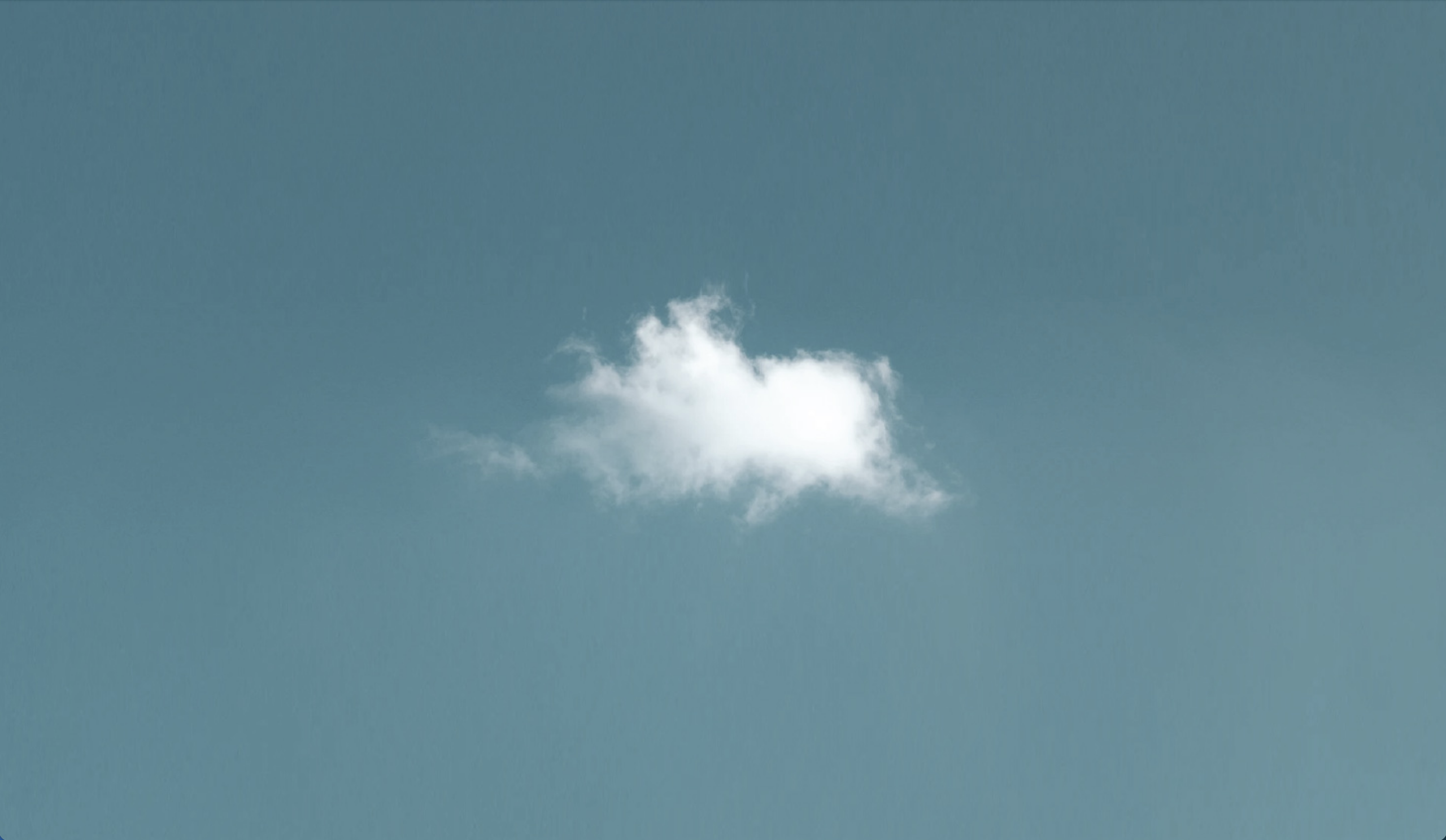
A cloud, Claude – an island in the sky, the journey of water unfolding before our very eyes – inspired me to name its bays and hills after travellers and explorers: the work has become a journey for me too, an exploration of stories and figures less well-known than those found on our street signs, but which I find more interesting. I am drawing an ideal world and have chosen to celebrate those whose stories fascinate me most.
Thus, ephemeral geography has also, inevitably, become a personal cosmogony.
The most beloved storytellers name the peaks and valleys of Cortázar, a delicate landscape carved by the sea and the wind into the sand; the ships that have sailed the sea christen the raindrops that streak down a train window and come together to form the Gulliver River. Shamans, deities, and human beings who have sought a bridge to other animals name a footprint left in the snow—the Walden lowlands; each map has a naming system inspired by the nature of the place and is accompanied by the photograph from which it originated and a short poetic text.
The Ephemeral Atlas is a way of honouring the beauty of the world.
It is an ongoing project.