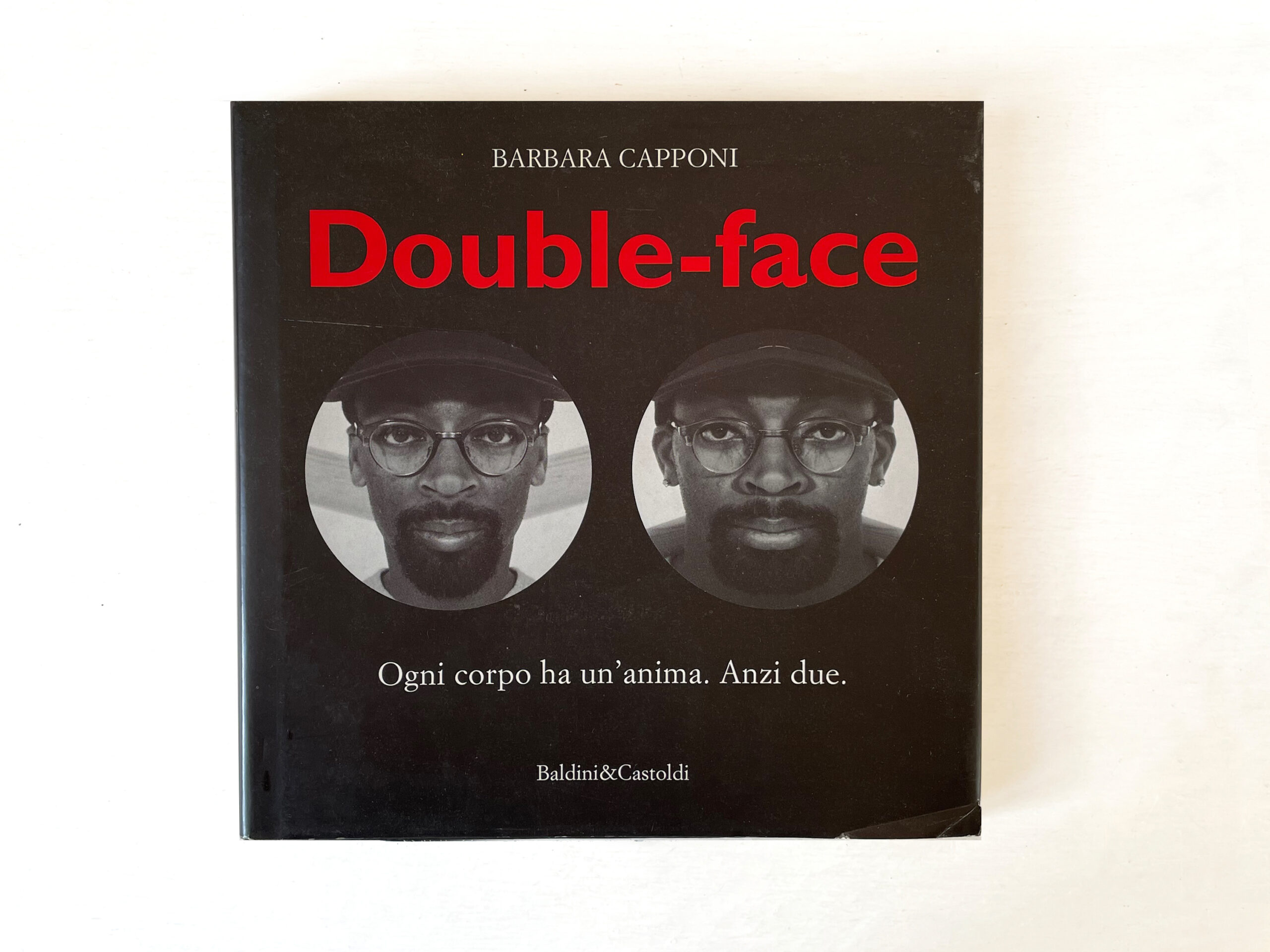
DOUBLE-FACE
Barbara Capponi
Double –face
Baldini e Castoldi
1996
Two souls, alas, are in my breast.
Goethe
We live in a dual world. Two lights alternate to divide and illuminate day and night. And even though the sun and the moon are so different in size, seen from the earth, strangely, they are equivalent. We have two eyes, two ears, two nostrils, and a small crack between the nose and lips that testifies to the union of two halves. We have two arms, two hands, two legs and two feet and the universe we have created looks like us. Our cars have two headlights, to show us the world we’re racing against. Our furniture is quadrupedal: servants who have not yet reached an upright position.
Yet, if we look closely, none of us are perfectly symmetrical. Our two halves differ quite a bit, and as time goes on, the gap between the right and left sides becomes more and more pronounced. One eye is rounder, the other tends a little downwards. One eyelid is slightly more closed than the other. Wrinkles, for some inexplicable reason, are more clearly marked on one side of the face. One arm is stronger, but the other boasts a more graceful hand.
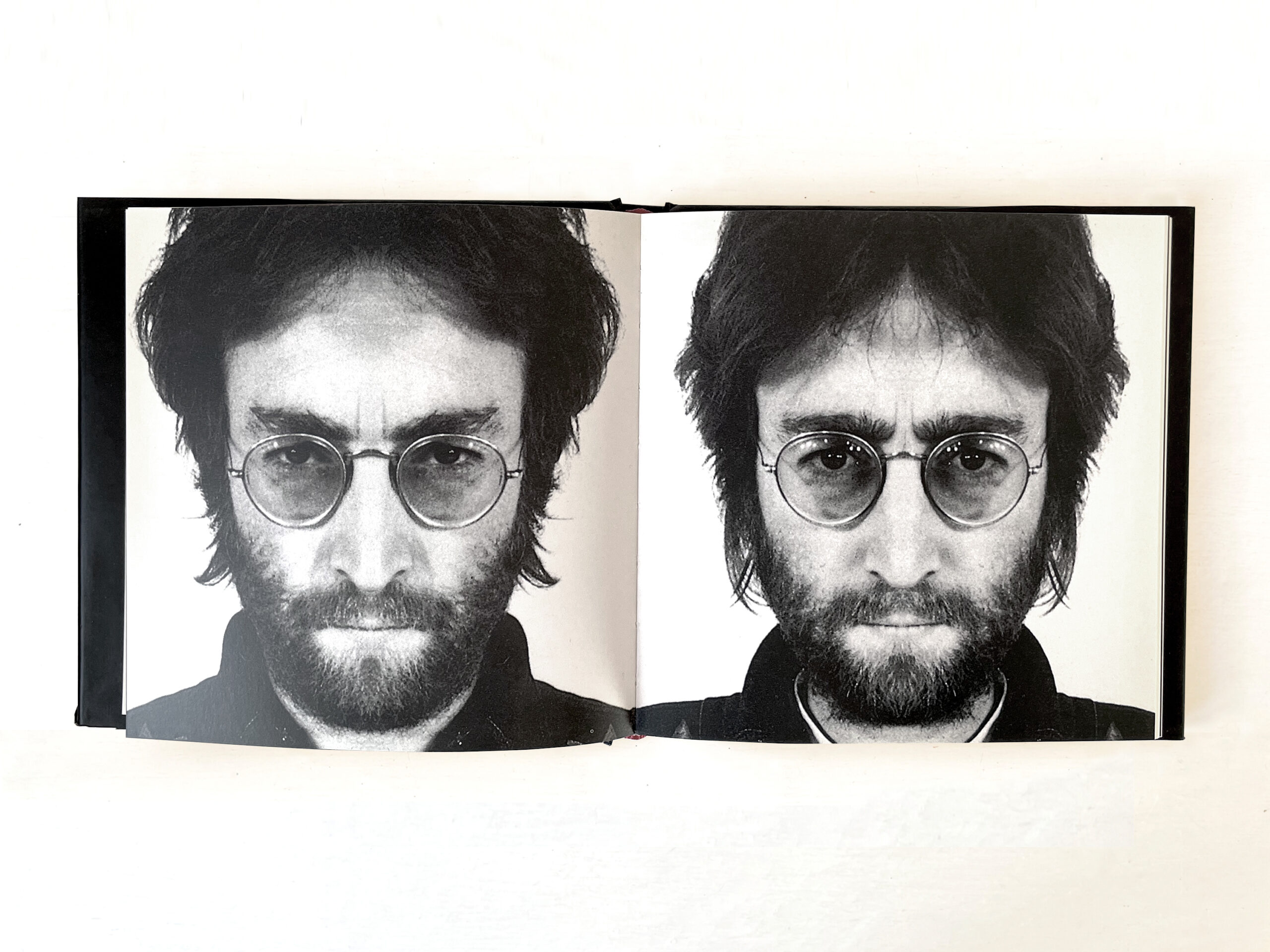
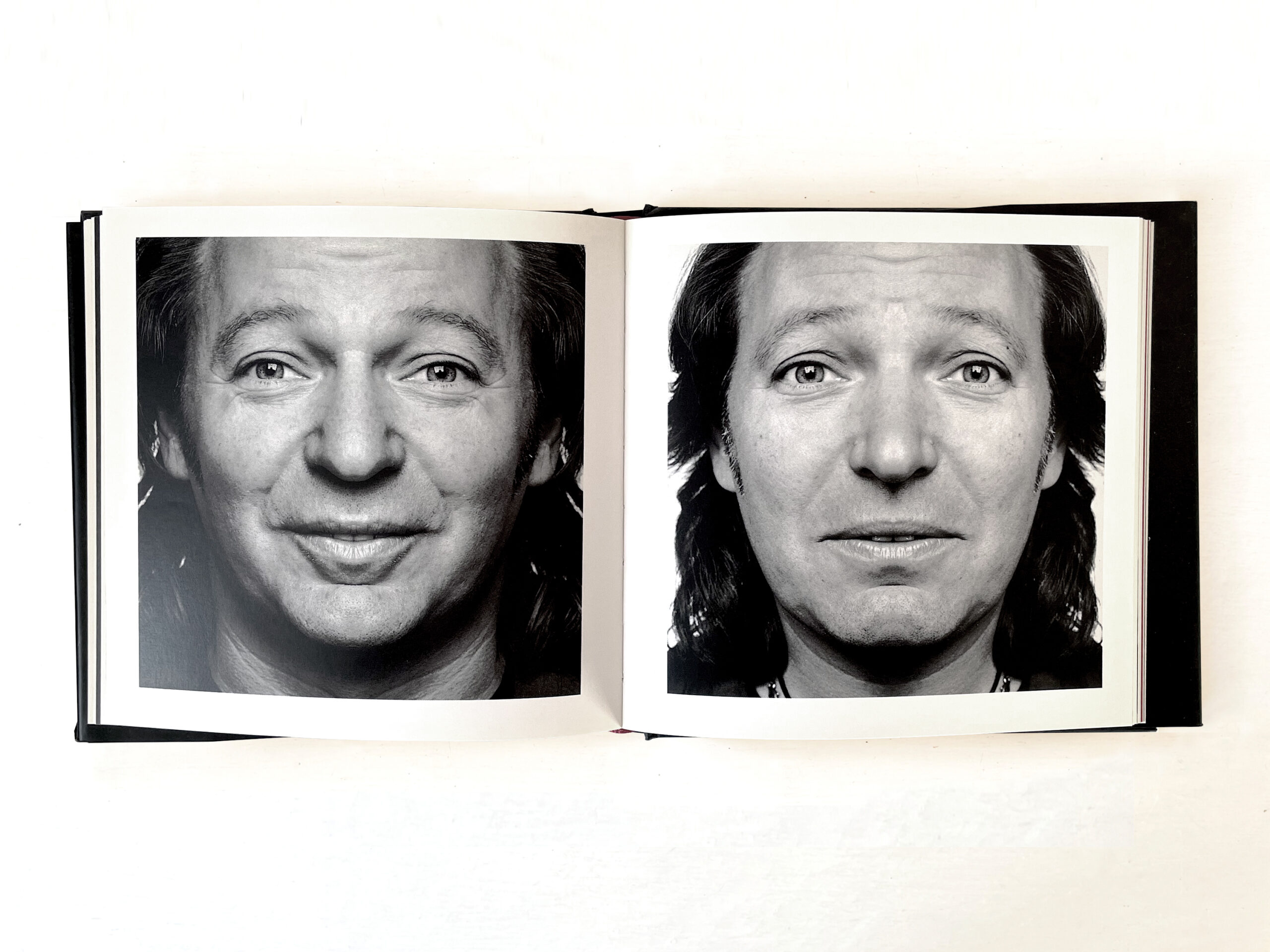
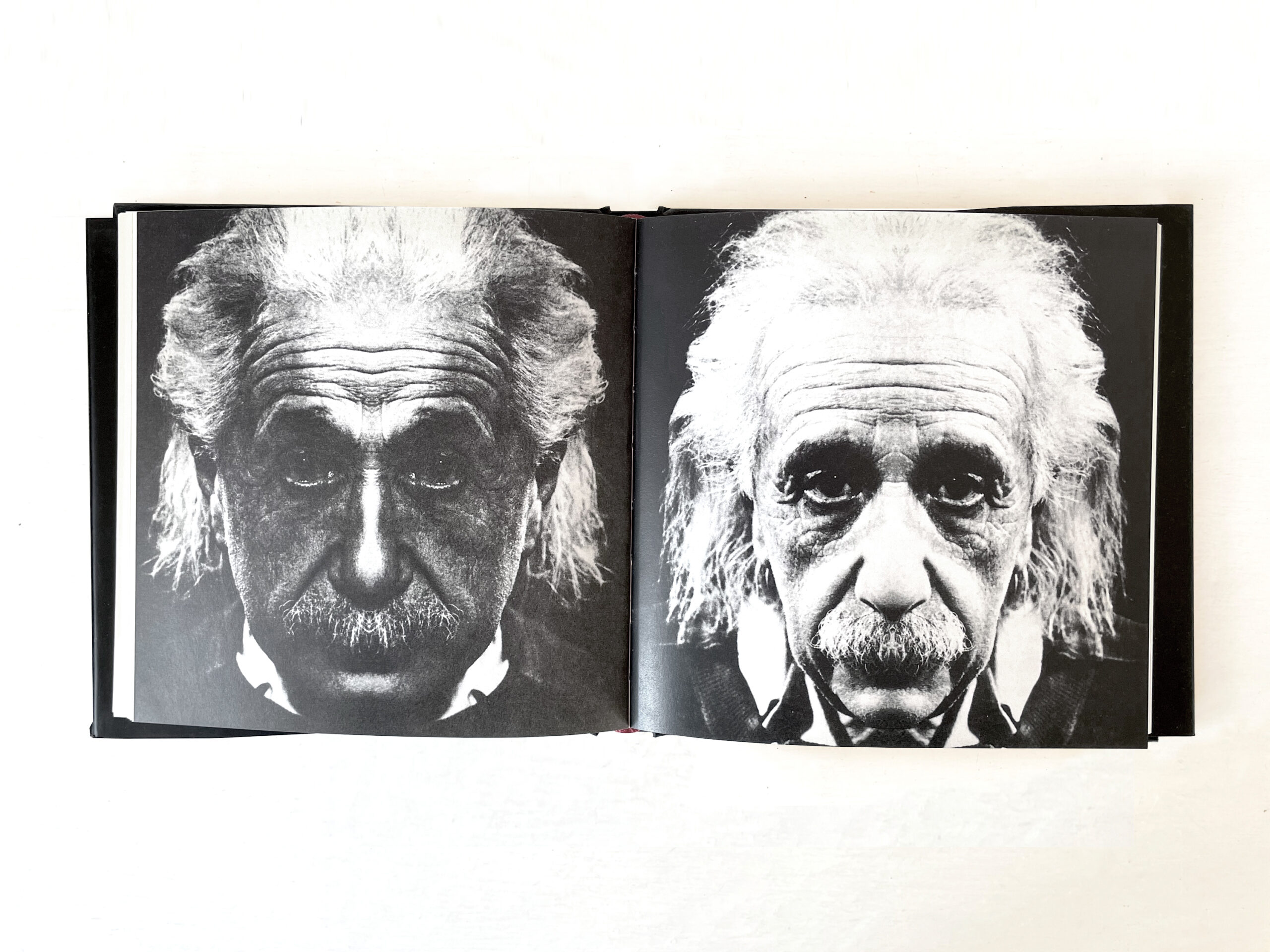
What happens if we vertically divide a face in half and double each side?
We get two completely new faces, two distinct people to look straight at: the one-on-the-right and the one-on-the-left. The impression is even stronger if we see our own face, or that of a loved one.
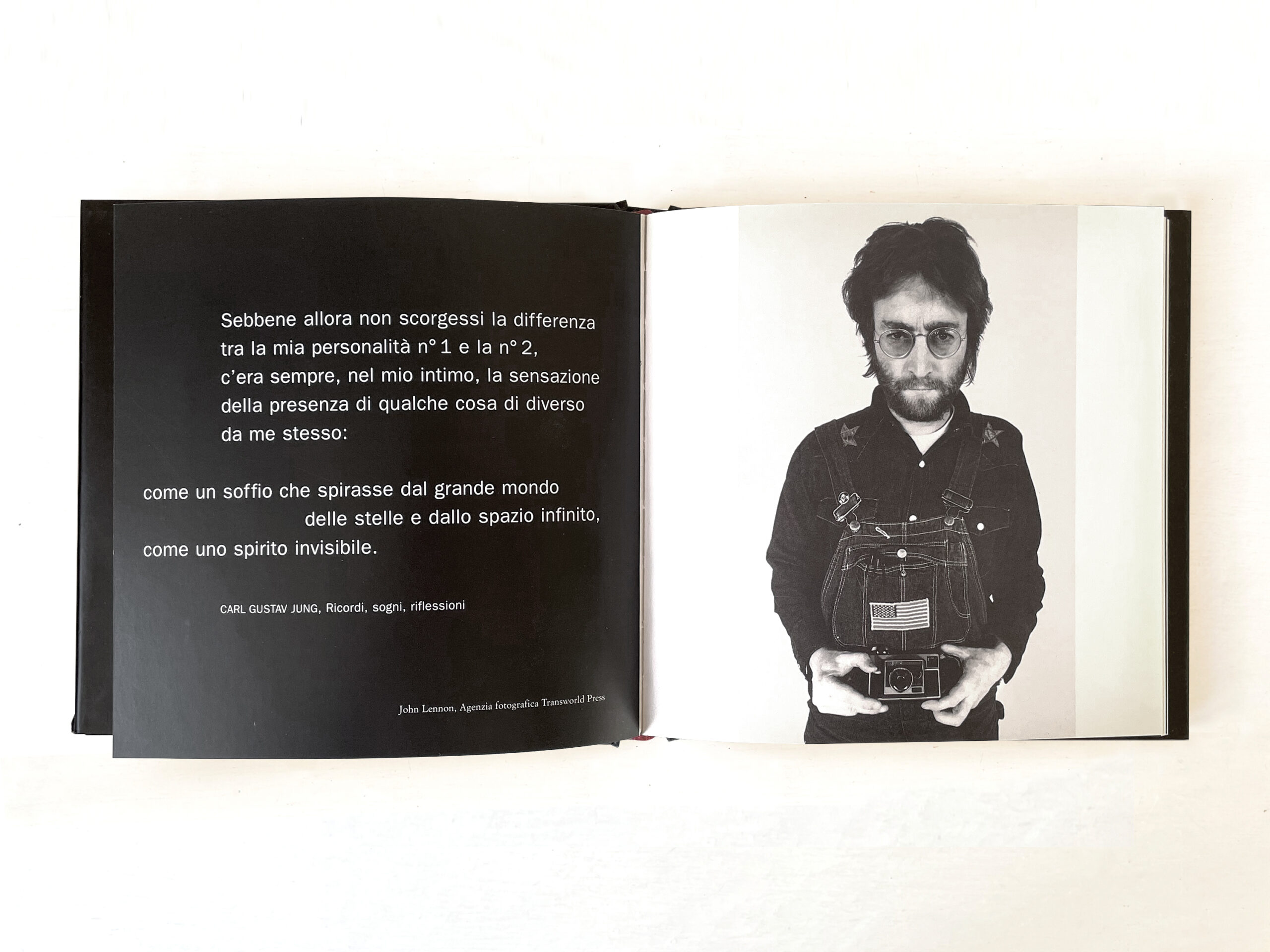
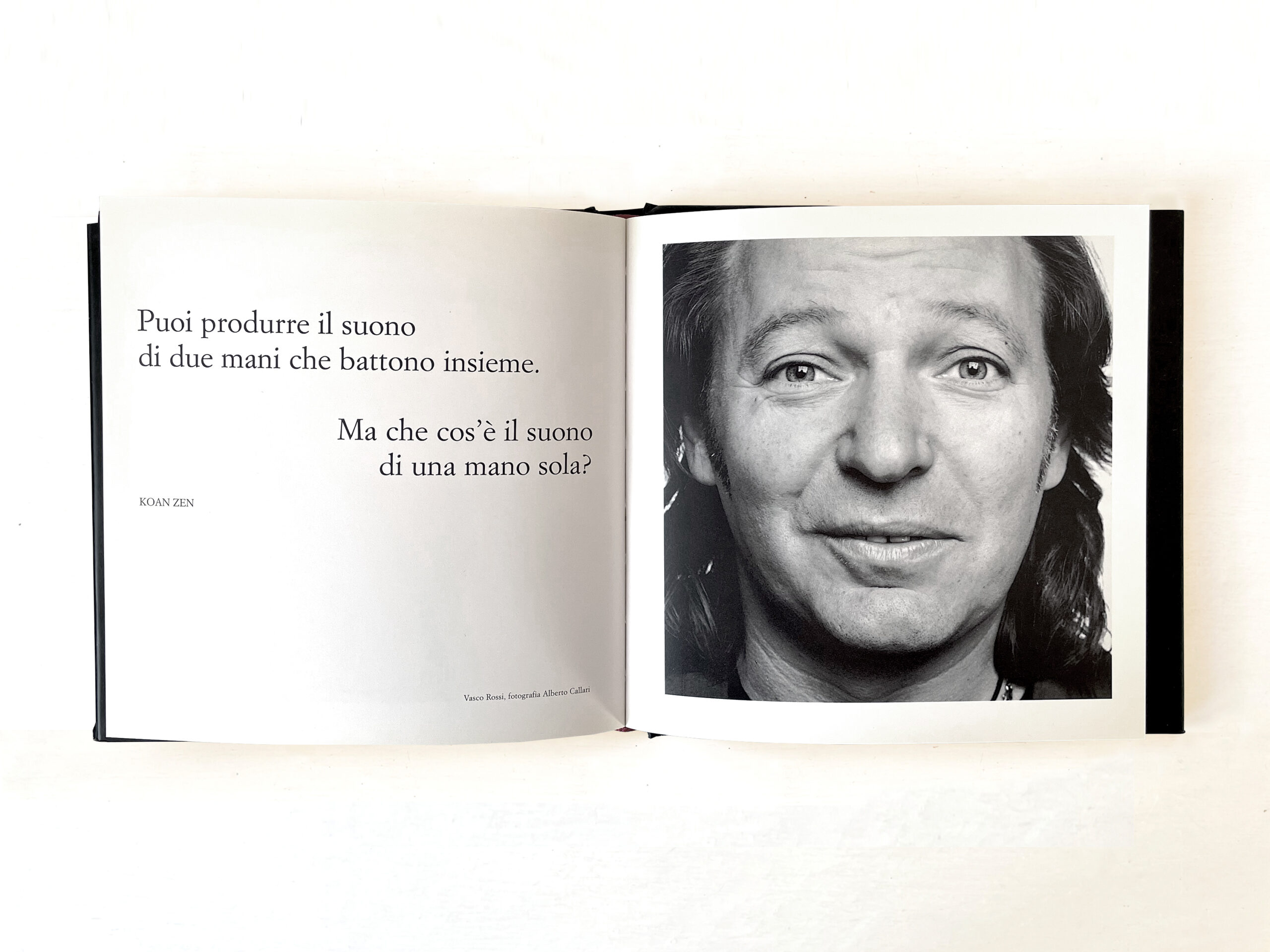
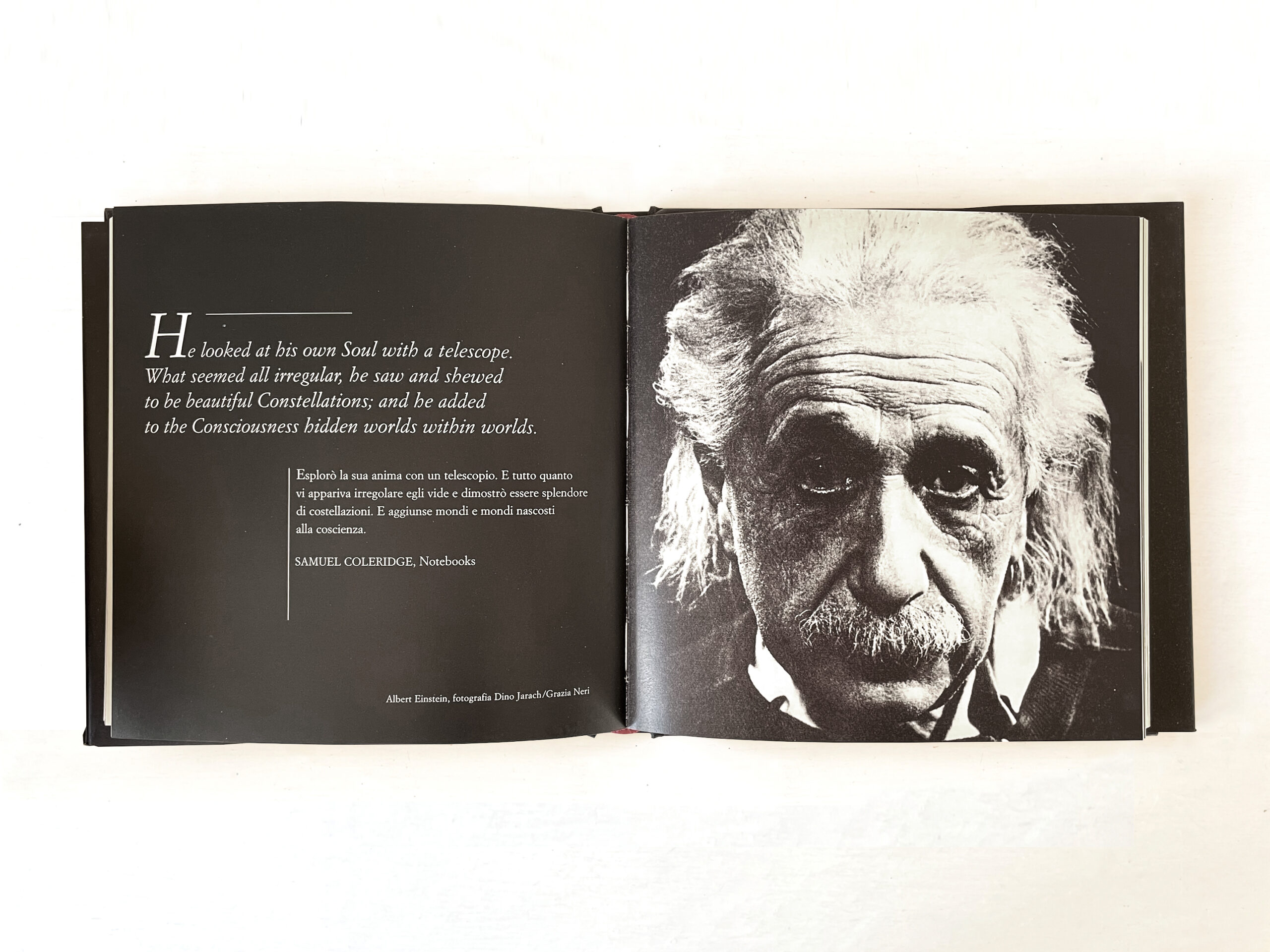
In this case, we see the faces of thirty well-known personalities who lent themselves to this experiment.
Right and left, rational and emotional, active and passive, masculine and feminine, yin and yang, light and dark. Or, also, good and bad, high and low. These are the poles we have always used to orient ourselves. The war of opposites, a tool to distinguish and create a map of reality.
The two faces that emerge from each are amazing; their relationship is amazing. Sometimes the two sides reveal to us something that we have been expecting, like the two masks of the classical theatre: one side that laughs and one that cries, one light and one heavy. Other times there is no classically dualistic logic: just that one side may look very, very ancient.
The Double has always fascinated and inspired artists, philosophers, and scholars. It has belonged to our imagination since the dawn of time: from the two-faced Janus to the Apollonian and Dionysian duo, and from Aristophanes’ theory of love as recounted in Plato’s Symposium to the Gothic novel Jeckyll and Hyde. There are countless texts dealing with the subject and choosing extracts to accompany the thirty portraits was an opportunity to dive into formidable works, from Jung to Calvino, or from Guénon to Pinkola Estés.
With the contribution of Gino and Michele, Enzo Funari, Mauro Mancia, Paolo Mereghetti and Arturo Carlo Quintavalle, who present the theme of the Double from various points of view.